Let's Shake Hands: Free Connection Call 

Primal Shaking
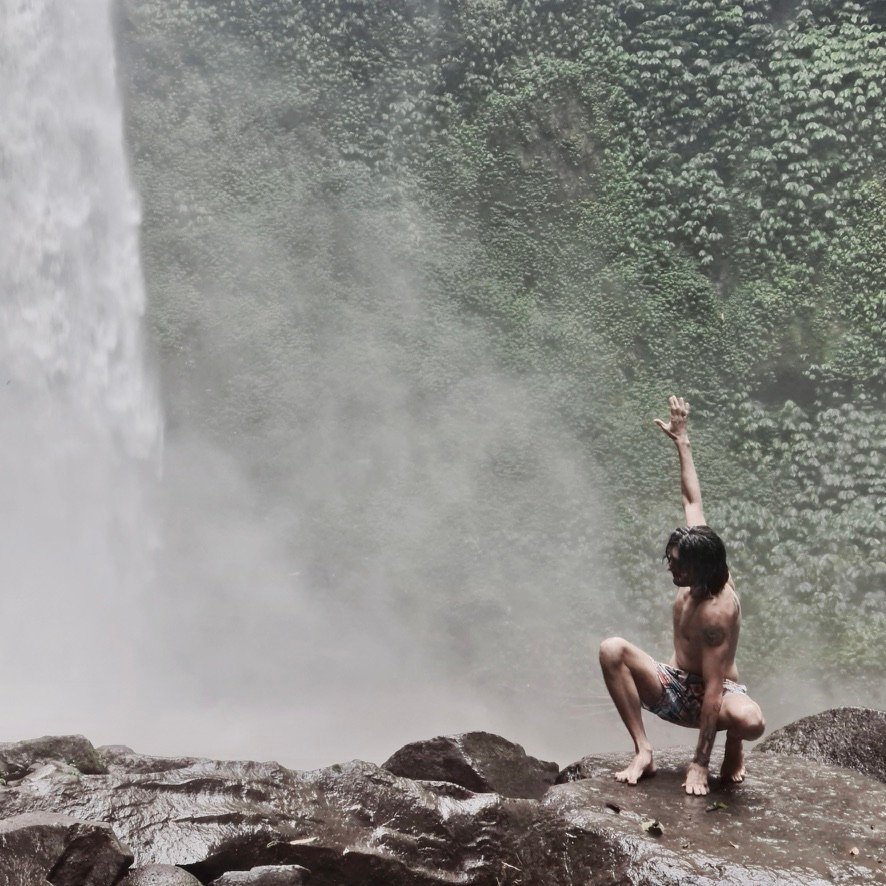
Practice Philosophy
It is not an exercise, but a biological reminder.
Primal Shaking is a body-led practice for nervous system regulation. There is nothing to perform. You simply follow your body’s intelligence.
01
Voluntary
Dynamic Shaking
We initiate movement consciously to break through muscular armoring and signal to the system that it is safe to release tension.
02
Involuntary
Neurogenic Shaking
The body takes over. We activate the natural tremor mechanism (TRE) that discharges stored trauma directly from the autonomic nervous system.
03
Energetic
Kundalini Shaking
The deep level where vibration becomes subtle, clearing energetic channels and realigning your entire presence with the source.
Daily Ritual • 5 Minutes
1
The Primordial Stance: Spine tall, feet hip-width apart, palms relaxed facing the body.
2
The Inner Smile: Allow a subtle smile to open from the inside, relaxing your jaw and eyes.
3
Ask Your Body: “How does it feel to release today?” Locate the tension without analyzing it.
4
Shake and Breathe: Inhale through the nose, exhale freely. Keep your soles grounded while the body vibrates.