Let's Shake Hands: Free Connection Call 

Understanding Neurotransmitters
A neurotransmitter is a chemical messenger that carries signals from one cell to another. It converts electrical activity in the nervous system into real effects in muscles, organs, and glands, shaping movement, stress response, focus, and emotional tone.
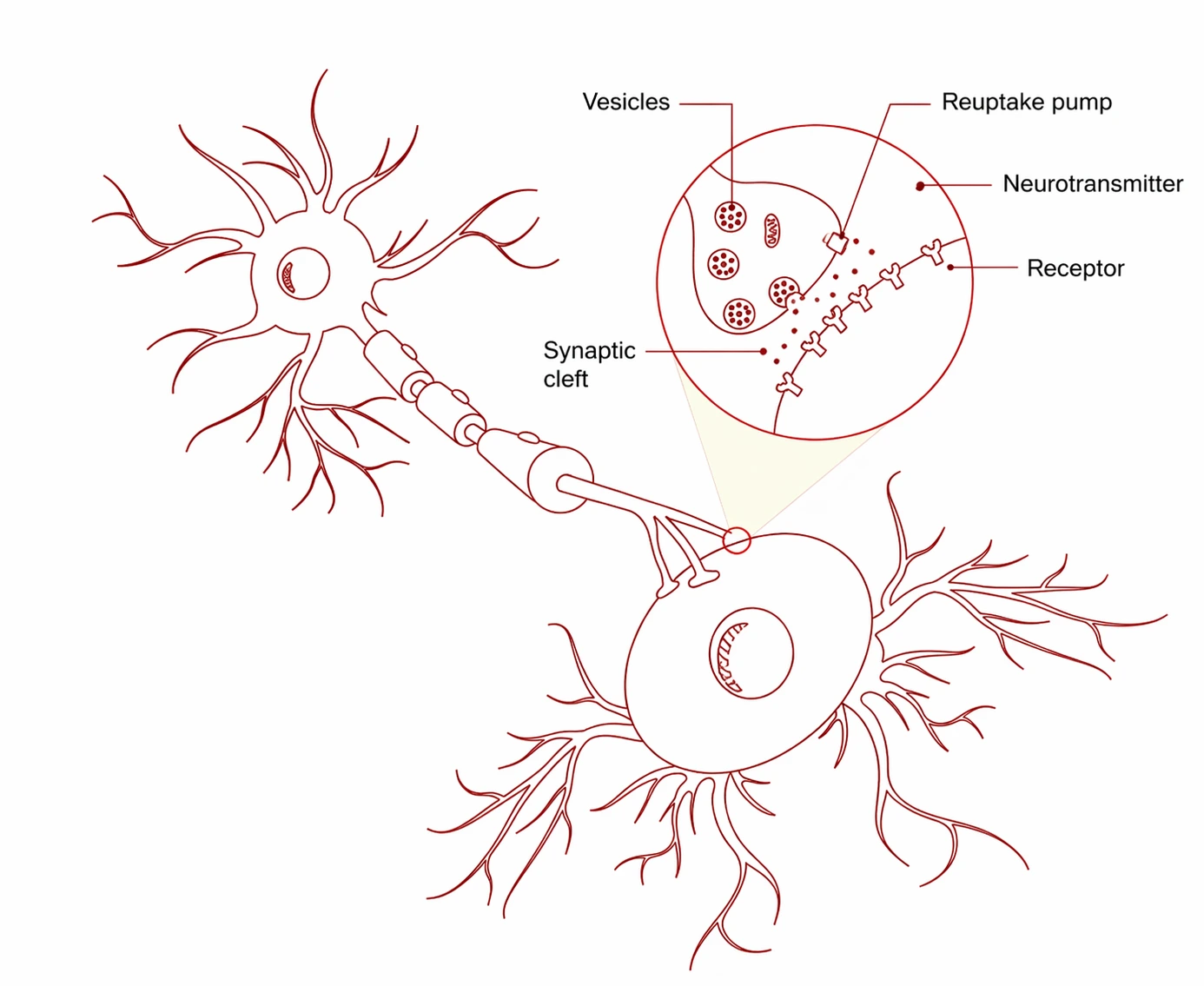
In simple terms, the signal travels electrically, then continues chemically. The neurotransmitter binds to receptors in the next cell and directs what happens next, activation, inhibition, or regulation. Examples include acetylcholine, norepinephrine, and dopamine, each linked to different functions like movement, alertness, and motivation.
From an alchemical view, neurotransmitters are part of the transformation process inside the body. An inner state, a thought, a breath, or a sensation shifts neural activity, and this changes the chemical balance. The invisible becomes tangible. What begins as an internal impulse is translated into physical response, showing how the body continuously turns subtle signals into form.
Neurotransmitters work in both forms, intentional or neurogenic shaking but the entry point is different. In dynamic shaking, you initiate movement. Motor neurons release acetylcholine at the muscle, which drives contraction. At the same time, norepinephrine increases alertness and activation, supporting sustained movement and rhythm. You are consciously amplifying neural signaling, which raises overall system activity.
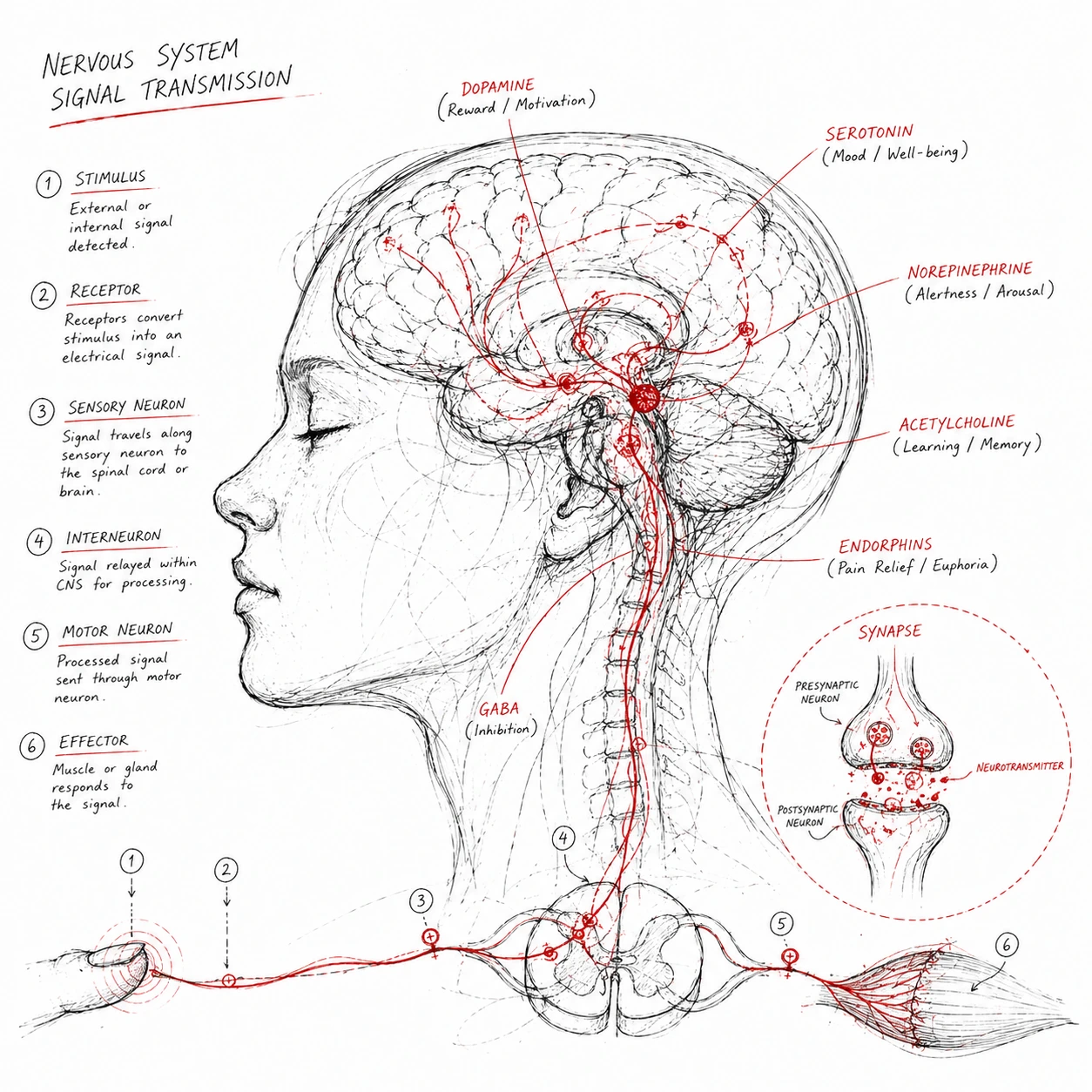
In neurogenic shaking, the process is driven from within the nervous system. The same acetylcholine still triggers muscle contractions, but the pattern is no longer voluntary. Shifts in autonomic balance change neurotransmitter output. Activation can rise through norepinephrine, then move toward regulation as parasympathetic signaling increases. This creates cycles of contraction and release without conscious control.
In both cases, neurotransmitters coordinate the process. Acetylcholine enables muscle movement, norepinephrine supports activation, and the balance between sympathetic and parasympathetic signaling shapes whether the shaking is driven by intention or emerges spontaneously.
The Somatic Neurochemistry Stack
| Compound | What It Does | Activated By |
|---|---|---|
| Dopamine | Motivation, reward, movement, anticipated pleasure | Movement, cold, achieving goals, tremor completion |
| Serotonin | Well-being, emotional stability, sleep, appetite | Sunlight, rhythmic movement, shaking, gut health |
| Norepinephrine | Alertness, focus, stress response, energy | Cold water, intense breathing, stress completion |
| GABA | Calm, relaxation, anxiety reduction, sleep | Slow breathing, tremor, yoga nidra, parasympathetic activation |
| Acetylcholine | Memory, learning, muscle activation, attention | Focused attention, slow movement, body scanning |
| Anandamide | Bliss, pain relief, appetite, memory | Exercise, fasting, cold, deep meditation, breathwork |
| 2-AG | Neuroprotection, stress relief, appetite | Rest, physical touch, stress reduction |
| DMT | Deep dream states, mystical experience, altered states | Deep REM, extreme breathwork, deep meditation |
| 5-MeO-DMT | Ego dissolution, non-dual consciousness, ecstasy | Holotropic breathwork, deep samadhi |
| Bufotenin | Altered perception, visionary states | Extreme stress release, deep altered states |
| Pinoline | Deep meditation states, REM amplification | Deep meditation, darkness retreat, REM cycles |
| Melatonin | Sleep, circadian rhythm, powerful antioxidant | Darkness, cold, meditation, circadian alignment |
| Beta-endorphin | Euphoria, pain relief, social bonding | Sustained exercise, laughter, crying, tremor |
| Enkephalins | Pain modulation, emotional regulation | Somatic shaking, acupuncture, breathwork |
| Dynorphin | Stress-induced analgesia, dissociation | Extreme cold, intense exercise, stress peak |
| PEA | Euphoria, focus, flow state, falling in love | Aerobic exercise, flow state |
| Oxytocin | Trust, bonding, social connection | Touch, eye contact, group practice, group shaking |
| Vasopressin | Social memory, behavior, water retention | Social bonding, cold exposure, fasting |
| Substance P | Pain transmission, trauma memory | Released and discharged through somatic tremor |
| NPY | Stress resilience, hunger, fat storage | Fasting, cold, chronic stress adaptation |
| BDNF | Neuroplasticity, neuron survival, mood | Exercise, cold, fasting, somatic movement |
| NGF | Nerve growth, memory, pain | Meditation, lion’s mane, nerve stimulation |
| Tryptamine | Mood modulation, psychedelic precursor | Gut health, tryptophan-rich food, deep sleep |
| Nociceptin | Stress response, anxiety, pain | Trauma release, somatic shaking, deep rest |
| CRH | Cortisol trigger, anxiety, trauma activation | Discharged through tremor and completed stress cycles |
| ACTH | Adrenal activation, cortisol release | HPA axis reset — somatic work, cold, sleep |
| Glutamate | Learning, memory, neural activation | Learning, novelty, breathwork peaks |
| Glycine | Motor control, sleep, pain modulation | Deep sleep, cold, somatic stillness |
| Histamine | Wakefulness, appetite, immune response | Regulated through gut health, sleep, anti-inflammatory practice |
| Adenosine | Sleep pressure, anti-inflammatory | Builds through wakefulness — cleared by deep sleep |
| Nitric Oxide | Blood flow, erection, neural signaling | Nasal breathing, humming, exercise, sunlight |
| Hydrogen Sulfide | Neuroprotection, longevity signaling | Fasting, garlic, cold, longevity practices |
| Carbon Monoxide | Neuroprotection, vasodilation | Regulated through breathing and circulation |
| VIP | Circadian rhythm, immune regulation, gut | Circadian alignment, gut health, sunlight |
| NT-3 | Neural development, proprioception | Proprioceptive movement, somatic practice |
| ATP | Cellular energy, neural communication | Cold, fasting, mitochondrial activation |
Until next time… Shakers, Keep The Vibe Alive!
That Shakin' Guy