Let's Shake Hands: Free Connection Call 

What happens if you take moringa every day?
Table of Contents
- What Is Moringa?
- What Happens If You Take Moringa Every Day?
- The Hidden Power of a Simple Leaf: What Does Moringa Offer the Body?
- Potential Benefits
- Moringa: Nutritional Profile
- Key Nutrients in Moringa Leaves
- Moringa and Inflammation
- Moringa and Digestion
- Tea vs. Powder
- What the Studies Suggest
- What Science Says, Briefly and Without Exaggeration
- Moringa and Bronchial Asthma: What Does Science Say?
- Cell Research and Cancer-Related Studies
- Moringa, Blood Sugar, and Cholesterol
- Anti-Inflammatory Properties of Moringa
- How to Use Moringa Daily
- General Usage Guide
- Precautions
I discovered moringa at a moment when my body was struggling, especially my stomach. I was in Indonesia, dealing with strong gastritis in a humid, intense climate, with different food, digestive stress, and a stomach that seemed to react to almost everything.
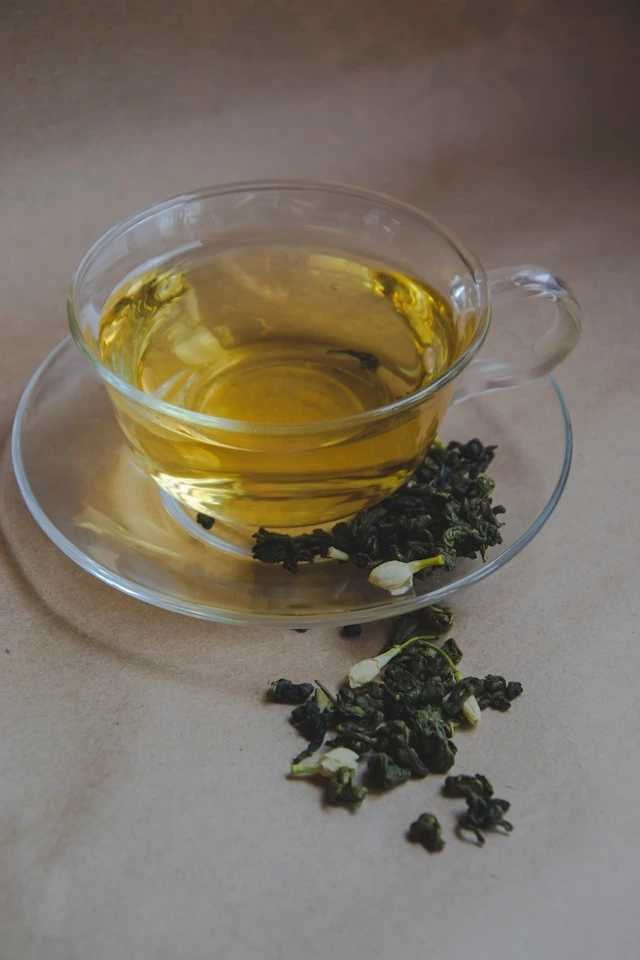
During that time, the Earth element felt like it was truly opening inside my being. What helped me personally in that moment was warm moringa tea. Not as a medical treatment. Not as a promise for anyone else. But as a gentle, grounding ritual that my body seemed to receive well.
What Is Moringa?
Moringa oleifera, sometimes called the “miracle tree” or “drumstick tree,” is a tropical plant used for centuries across India, Africa, and Southeast Asia.
The leaves are the most commonly used part of the plant and are often found in:
- teas
- powders
- soups
- curries
- capsules
- smoothies
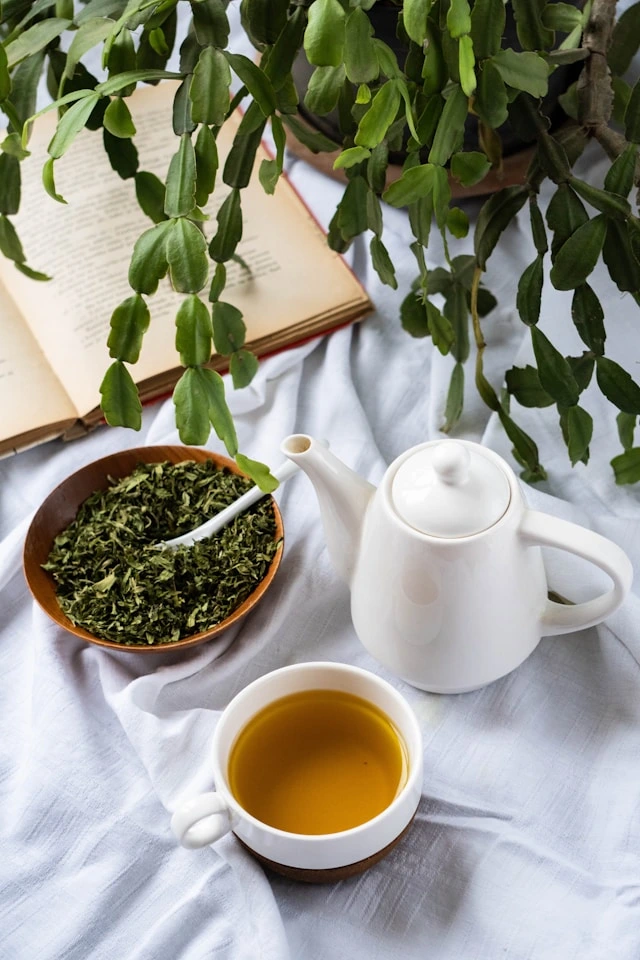
Moringa is nutritionally dense, rich in plant compounds, minerals, vitamins, antioxidants, and fiber. This is why it has become so popular in the wellness world, but it needs to be understood correctly: moringa is a functional food, not a miracle medicine.
Moringa is known by different names depending on the region:
| Language | Names |
| English | Drumstick Tree, Miracle Tree, Ben Oil Tree, Horseradish Tree |
| Bengali | Sajna |
| Gujarati | Suragavo |
| Hindi | Shajmah, Shajna, Segra |
| Malayalam | Sigru, Moringa, Muringa |
| Marathi | Sujna, Shevga |
| Oriya | Munigha, Sajina |
| Punjabi | Sanjina, Soanjana |
| Sanskrit | Sobhan jana |
| Tamil | Murungai |
| Telugu | Sajana |
What Happens If You Take Moringa Every Day?
If you take moringa every day, the first thing that may shift is your relationship with ritual. A cup of moringa tea in the morning or afternoon is not only about getting “more nutrients.” It can become a pause from daily overstimulation. It can bring into the body a natural, green frequency that pulls you out of the everyday rush and into a slower, steadier rhythm.
The Hidden Power of a Simple Leaf: What Does Moringa Offer the Body?
Have you ever wondered how one small plant can concentrate so many nutrients? Moringa has gained attention because of its nutritional density. Some sources compare moringa’s nutrient profile with common foods, although the exact values depend on whether the leaves are fresh, dried, or powdered.
- Vitamin C: Moringa is often described as being especially rich in vitamin C compared with oranges.
- Vitamin A: It is valued for its beta-carotene and vitamin A content, often compared with carrots.
- Calcium: Moringa leaves contain calcium, a mineral essential for bones, muscles, and nerve signaling.
- Protein: The leaves contain plant-based protein, which is one reason moringa is often discussed in nutrition programs.
- Potassium: Moringa provides potassium, a mineral involved in fluid balance and muscle function.
- Iron: Moringa contains plant-based iron, though absorption depends on many factors, including overall diet and vitamin C intake.
Potential Benefits
| Area | How It May Support You |
|---|---|
| Nutrition | Provides micronutrients such as vitamin A, vitamin C, iron, calcium, potassium, and magnesium. |
| Antioxidant support | Contains plant compounds that may help the body manage oxidative stress. |
| Digestion | Warm moringa tea may feel soothing for some people, especially when used gently. |
| Energy | May support vitality through its mineral and nutrient content. |
| Inflammation balance | Contains compounds being studied for anti-inflammatory potential. |
| Ritual and nervous system | A warm daily tea can create a calming pause and help slow the pace of the day. |
Moringa: Nutritional Profile
From a nutritional perspective, moringa leaves are valued for their content of:
- vitamin A
- vitamin C
- calcium
- potassium
- iron
- magnesium
- plant-based protein
- fiber
- antioxidant compounds such as quercetin and chlorogenic acid
Here is a general descriptive table of moringa’s nutritional values. You can review a broader nutrient profile here.
| Nutrients | Nutritional Value |
| Vitamin C | 8.6mg |
| Potassium | 471mg |
| Magnesium | 35.1mg |
| Manganese | 0.119mg |
| Calcium | 99.1mg |
| Iron | 1.3mg |
| Phosphorus | 70.8 |
| Thiamine (B1) | 0.103 mg |
| Riboflavin (B2) | 0.112 mg |
| Vitamin B6 | 0.129 mg |
| Zinc | 0.85 mg |
Antioxidants are molecules that help the body manage oxidative stress, the imbalance that can happen when free radicals become excessive. We do not need to turn this into a spectacular promise. More simply: a diet rich in plants, greens, and plant compounds can support the body’s vitality better than a nutrient-poor diet.
Key Nutrients in Moringa Leaves
| Compound | Why It Matters |
|---|---|
| Vitamin A | Supports normal vision, skin health, and immune function. |
| Vitamin C | Supports collagen production and antioxidant protection. |
| Iron | Helps the body produce hemoglobin and transport oxygen. |
| Calcium | Supports bones, muscles, and nerve signaling. |
| Potassium | Supports fluid balance and healthy muscle function. |
| Magnesium | Supports muscles, nerves, and metabolism. |
| Polyphenols | Plant compounds studied for antioxidant and anti-inflammatory potential. |
| Fiber | Supports digestion and the health of the gut microbiome. |
Moringa and Inflammation
One reason moringa is so loved is its connection with inflammation balance. Preliminary research suggests that moringa contains compounds with anti-inflammatory potential, especially isothiocyanates and polyphenols. This does not mean it “treats inflammation” or replaces medical care.
It means moringa may be part of a lifestyle that supports the body through:
- enough sleep
- hydration
- simple food
- conscious breathing
- gentle movement
- nervous system regulation
- reducing foods that irritate the body
Moringa and Digestion
Digestive experiences are deeply individual. For some people, moringa may feel gentle and nourishing, especially as a warm tea. For others, concentrated powder or higher doses may cause irritation, nausea, cramping, or loose stools.
This is where the body must be respected. If you have gastritis, reflux, ulcers, IBS, or a sensitive digestive system, start very small: a few sips of weak tea, not a large spoonful of powder. Observe. Do not force.
The body does not heal through spiritual aggression disguised as discipline.
Tea vs. Powder
| Form | Best For | Caution |
|---|---|---|
| Tea | Sensitive digestion, a gentle daily ritual, hydration. | Start weak if your stomach is irritated. |
| Powder | Smoothies, soups, stronger nutritional intake. | May be too concentrated for sensitive stomachs. |
| Tablets | Convenience and measured dosage. | Quality varies; check labels and avoid high doses. |
| Leaves | Food-based nourishment in soups, curries, and salads. | Best when tolerated and prepared simply. |
What the Studies Suggest
Moringa is being studied for possible effects on blood sugar, cholesterol, anemia, lactation, skin, hair, respiratory health, and general energy. The truth is that much of the data is promising, but not all of it is supported by large, strong human studies.
Some research is based on animals, concentrated extracts, laboratory models, or small groups of people.
What Science Says, Briefly and Without Exaggeration
- Blood sugar: Laboratory studies suggest that antioxidants in moringa, especially isothiocyanates, may influence carbohydrate absorption and glucose metabolism. Human studies remain small, and moringa should never replace diabetes treatment.
- Cholesterol: Animal studies and early research suggest moringa extracts may influence blood lipids. Human clinical evidence is still limited.
- Anemia: Moringa leaves provide plant-based iron and vitamin C, which supports iron absorption. However, significant anemia requires proper medical evaluation and treatment.
- Lactation: Moringa has traditionally been used to support milk production, and some small clinical studies have explored this. Nursing mothers should still use caution and consult a qualified professional.
- Skin and hair: Many dramatic anti-aging claims come from in vitro studies or cosmetic use of moringa oil. Internal use may support general nutrition, but it will not create overnight dermatological miracles.
- Energy: Moringa does not contain caffeine. The vitality some people report may come from improved nutrient intake rather than artificial nervous system stimulation.
Moringa and Bronchial Asthma: What Does Science Say?
For people dealing with breathing difficulties related to asthma, one small clinical study referenced in research on moringa’s health benefits explored whether moringa seed kernels could support respiratory markers and symptoms.
- Protocol used: The study used 3 grams of moringa seed kernel powder daily for 3 weeks.
- Inflammation marker: Researchers observed changes in ESR, a general marker associated with inflammation.
- Main symptoms observed: The study reported improvement in symptoms such as shortness of breath, wheezing, coughing, and chest tightness.
This does not mean moringa treats asthma. Asthma is a medical condition that requires professional care, proper diagnosis, and prescribed treatment when needed.
Cell Research and Cancer-Related Studies
Another area being studied involves moringa extracts and their effects in laboratory cancer models. Some research reviews discuss moringa’s bioactive compounds and their potential biological activity.
- Cell studies: Certain laboratory studies suggest that moringa extracts may influence apoptosis, also known as programmed cell death, in specific cancer cell lines.
- Breast and colorectal cell models: Some studies have explored moringa leaf and root extracts in breast and colorectal cancer cell models.
- Important distinction: These findings are not the same as proving an effect in the human body. Moringa should never be presented as a cancer treatment or substitute for oncology care.
Moringa, Blood Sugar, and Cholesterol
Metabolic health is another major area where moringa is being explored. The evidence is interesting, but it must be interpreted responsibly.
1. Blood sugar:
- Clinical observations: A small clinical experiment reported that adding 50 grams of moringa leaves to meals was associated with a reduction in blood glucose in participants with diabetes. However, the study size was small and more research is needed.
- Medical caution: Because moringa may influence blood sugar, it should not be combined with diabetes medication without medical supervision. Blood sugar can drop too low when multiple glucose-lowering interventions are used together.
2. Cholesterol and blood lipids:
- Food profile: Moringa is naturally low in fat and does not contain cholesterol.
- Early research: Some studies suggest moringa extracts may have lipid-lowering activity, but much of the evidence comes from animal or preliminary models.
Anti-Inflammatory Properties of Moringa
Inflammation is a natural and essential biological response that helps the body protect itself from harm. However, when inflammation becomes chronic and persists long-term, it may contribute to more serious health concerns. Harvard Health offers a helpful overview of what inflammation is and why it matters.
What research suggests:
- Comparative testing: Some experimental studies on Moringa oleifera extracts suggest anti-inflammatory activity in laboratory and animal models.
- Bioactive compounds: This potential is often linked to isothiocyanates, polyphenols, and other plant compounds with antioxidant activity.
- Chronic disease context: Moringa may be one supportive dietary element within a broader anti-inflammatory lifestyle, but it should not be framed as a stand-alone treatment.
How to Use Moringa Daily
I would begin with moringa tea, not large doses of powder. One cup a day is enough as a starting point. If you use powder, begin with a small amount, such as one-quarter to one-half teaspoon, and observe how your body responds.
General Usage Guide
| Level | Amount | Notes |
| Gentle start | A few sips of weak moringa tea | Best if you have sensitive digestion. |
| Daily ritual | 1 cup of moringa tea | A good starting point for most people. |
| Introducing powder | Between 1/4 and 1/2 teaspoon | Add to smoothies, soups, or warm water. |
| Higher intake | Only with professional guidance | Especially if you take medication or manage a health condition. |
Do not immediately mix it with ten other supplements. Do not take it as a way to “fix” yourself. Take it as a nourishing plant, part of a wider ritual of care.
Precautions
Precautions matter. If you are pregnant, breastfeeding, taking medication for diabetes, blood pressure, thyroid function, blood thinning, or if you have an active digestive condition, speak with a healthcare professional before using moringa as a daily supplement.
| Use Extra Caution If You |
| Are pregnant or trying to become pregnant |
| Are breastfeeding |
| Take medication to regulate blood sugar |
| Take blood pressure medication |
| Take thyroid medication |
| Take anticoagulants or blood-thinning medication |
| Have gastritis, reflux, ulcers, or a sensitive digestive system |
| Already use multiple supplements at the same time |
High doses do not mean better results. With plants, as with spiritual practice, maturity matters more than intensity.
Much Love
Until next time… Shakers, Keep The Vibe Alive!
That Shakin' Guy