Let's Shake Hands: Free Connection Call 

What happens if you take Reishi every day?
Table of Contents
- What Is Reishi?
- What Can Happen If You Take Reishi Daily?
- 1. It May Support the Immune System
- 2. It May Help With Fatigue
- 3. It May Support a Sense of Calm and Clarity
- 4. It May Support Cardiometabolic Markers, But the Evidence Is Mixed
- 5. It Is Studied for Antioxidant Properties
- Reishi and energy work
- Reishi: Possible Daily Benefits
- General Dosage Guidance
- How I Would Start
- Precautions and Safety
- Use Caution If You:
I first heard about Reishi in a very unexpected moment, over coffee. According to my own biorhythm, my energy peaks in the morning, and by the afternoon I naturally move into a calmer, slower, more serene state. I was sitting there on an ordinary day when a friend from Poland told me, with real excitement, that he had discovered something incredible: Reishi.
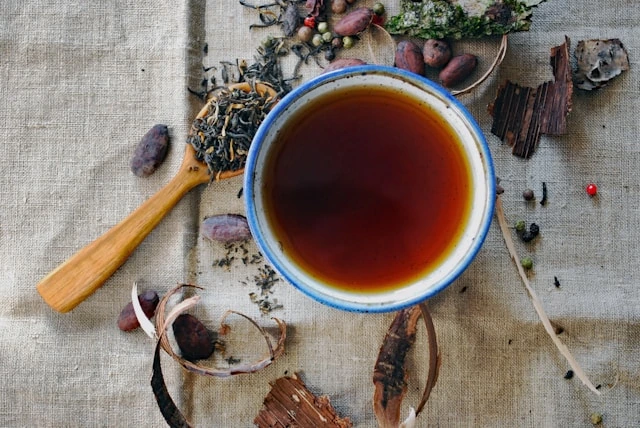
He told me he was drinking it every afternoon and that he felt a big boost in energy, but not the aggressive kind of energy you get when you drink too much coffee. It was more like steady, clean vitality, an inner clarity that did not push the body, but seemed to align it energetically. The same thing happened to me. Reishi entered my afternoon rhythm like a plant ally that works more from the inside than the outside, amplifying the joy, enthusiasm, and energy I already had access to through my energetic practices.
What Is Reishi?
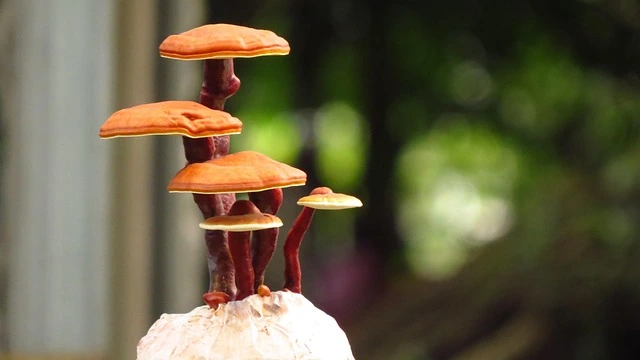
Reishi, also known as Ganoderma lucidum or Lingzhi, is a mushroom that has been used for centuries in Asian traditions. It grows in warm, humid regions and is known for its bitter, earthy, deep taste. Traditionally, it has been associated with longevity, vitality, energetic protection, and spiritual cultivation.
In modern language, Reishi is often discussed for its content of:
- polysaccharides
- beta-glucans
- triterpenes
- antioxidant compounds
- molecules studied for their influence on immunity and inflammation
What Can Happen If You Take Reishi Daily?
Reishi should not be understood as a fast stimulant, because it does not work like coffee and should not be treated like a pre-workout. It is not a magic energy pill. Reishi works more subtly: with rhythm, immunity, inflammation, accumulated fatigue, and, for some people, that inner tension that keeps the body from truly relaxing.
1. It May Support the Immune System
One of the most studied areas is the relationship between Reishi and the immune system. Some research suggests that Reishi may influence the activity of white blood cells, including T lymphocytes, which play an important role in immune response. One study on supplementation with dry Ganoderma extract looked at how it may modulate T-cell function in older women.
This does not mean Reishi “heals” or “guarantees” a strong immune system. It means it is an interesting natural compound being studied for the way it may support immune function.
2. It May Help With Fatigue
This is where my personal experience meets the direction of the research. Some newer data suggests that the polysaccharides in Reishi may be relevant for fatigue, especially in specific contexts. A 2024 review mentions Reishi’s potential in reducing post-exercise fatigue, and another 2024 study observed effects on fatigue, anxiety, and mood in people with cancer.
Important: these are specific contexts, not a guarantee that every healthy person will feel the same thing. Still, it is a promising area.
3. It May Support a Sense of Calm and Clarity
For me, Reishi was not about an energy explosion. It was about grounded energy. There is a difference between being stimulated and being supported. Stimulation pushes the nervous system. Support organizes it.
In the afternoon, when my body naturally enters a calmer rhythm, Reishi seems to fit that biorhythm well. It does not make me feel restless. It feels more like serenity with a backbone. Calm, but not dull. Present, but not forced.
4. It May Support Cardiometabolic Markers, But the Evidence Is Mixed
Some animal studies and preliminary research have explored Reishi’s effects on blood sugar, triglycerides, and HDL cholesterol. However, human studies are mixed. Some have found no significant effect on fasting blood sugar or hemoglobin A1c.
This is where we need to be very clear: Reishi does not replace treatment for diabetes, cholesterol, blood pressure, or cardiovascular disease. If you take medication, especially for blood sugar, blood pressure, or blood thinning, speak with your doctor first.
5. It Is Studied for Antioxidant Properties
Reishi contains antioxidant compounds, and some research discusses it in relation to oxidative stress. Antioxidants help the body manage free radicals, but the real effects depend on the dose, extract, product quality, lifestyle, and each person’s biology.
It is not enough to take Reishi and ignore sleep, food, breathing, and stress. Plants and fungi can deeply support energetic work and spiritual evolution, but they cannot permanently compensate for a lifestyle lived against the body.
Reishi and energy work
In energetic work, Reishi has a very interesting quality: it does not seem to pull you upward artificially, but instead creates a more stable inner space. It is as if the system becomes more available for introspection, breathwork, meditation, Somatic Shaking, or nervous system regulation practices.
I see it as a plant ally, especially when you do not want to force the body, but you still want to stay clear, warm, present, and connected.
Reishi: Possible Daily Benefits
| Area | What It May Support | Important Note |
|---|---|---|
| Immunity | May influence white blood cells and inflammatory pathways | Does not guarantee protection against illness |
| Energy | May support vitality and fatigue in certain contexts | Does not work like a classic stimulant |
| Calm | May support a more grounded afternoon ritual | Effects are individual |
| Metabolism | Is studied for blood sugar and blood lipids | Human evidence is still mixed |
| Antioxidants | Contains compounds studied for oxidative stress | Does not replace a good diet |
General Dosage Guidance
Dosage depends a lot on the form: tea, powder, extract, capsules, or Reishi coffee. In general, extracts are more concentrated than the dried mushroom. Some sources mention general ranges of about 1.5-9 g per day, depending on the product and form, but there is no universal dose that works for everyone.
How I Would Start
- Start with a small dose.
- Use it in the afternoon if you are sensitive to rhythm changes.
- Watch your digestion, sleep, energy, and emotional state.
- Do not combine it immediately with many other supplements.
- Choose clean, tested products with a clear label.
Precautions and Safety
Reishi is popular, but it is not right for everyone. It may cause nausea, digestive issues, diarrhea, indigestion, or stomach discomfort in some people. Rare liver-related problems have also been reported in individual cases, although the exact cause is not always clear.
As we learn from Memorial Sloan Kettering, Reishi may interact with anticoagulants, immunosuppressants, and other medications.
Use Caution If You:
- take anticoagulants or blood-thinning medication
- take immunosuppressants
- have liver or kidney disease
- are pregnant or breastfeeding
- have low blood sugar or take medication for diabetes
- are preparing for surgery
- have a sensitive digestive system
Until next time… Shakers, Keep The Vibe Alive!
That Shakin' Guy