
ROOTS AND TRADITIONS OF SHAKING
Somatic shaking is not a modern invention. Across cultures and centuries, humans have used tremoring, rhythmic movement, and ecstatic states as a way to release stress and restore balance in the nervous system. From indigenous trance dances to Taoist internal alchemy and yogic kriyas, shaking appears as a universal mechanism of regulation and healing
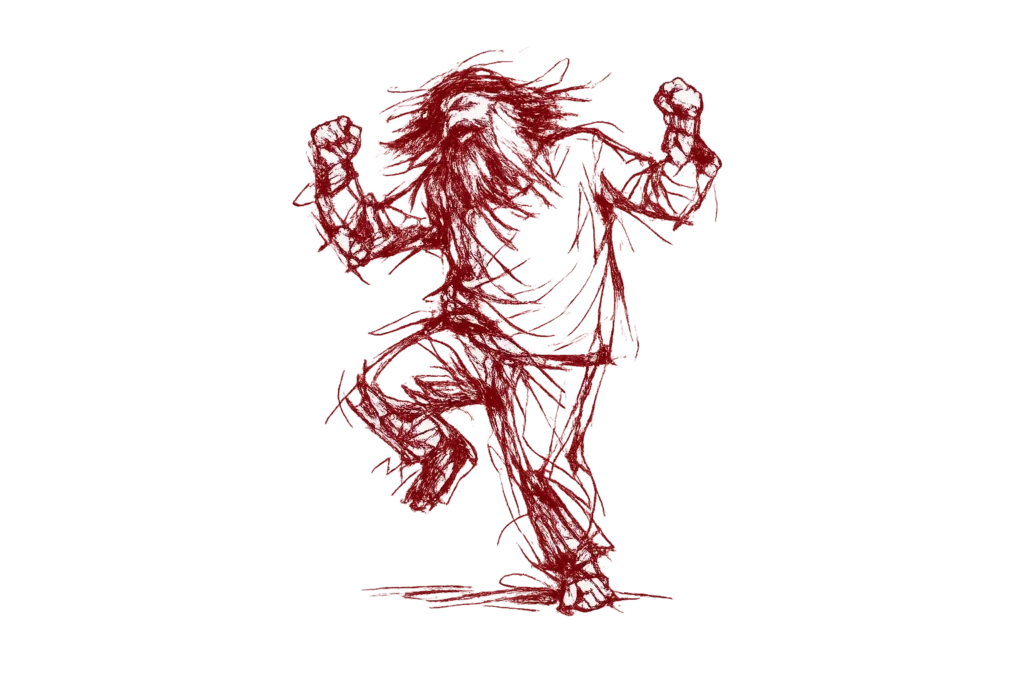
Shaking Roots: The Global Archive
I. Nature — The Biological Foundation
Instinctive Mammalian Tremoring
Across the animal kingdom, mammals instinctively tremor after stress, threat, or intense activation. This shaking discharge restores autonomic balance and maintains homeostasis.
Modern somatic frameworks often reference this biological reset as the primal template for human shaking practices.
II. Indigenous & Ancient TraditionsModern somatic frameworks often reference this biological reset as the primal template for human shaking practices.
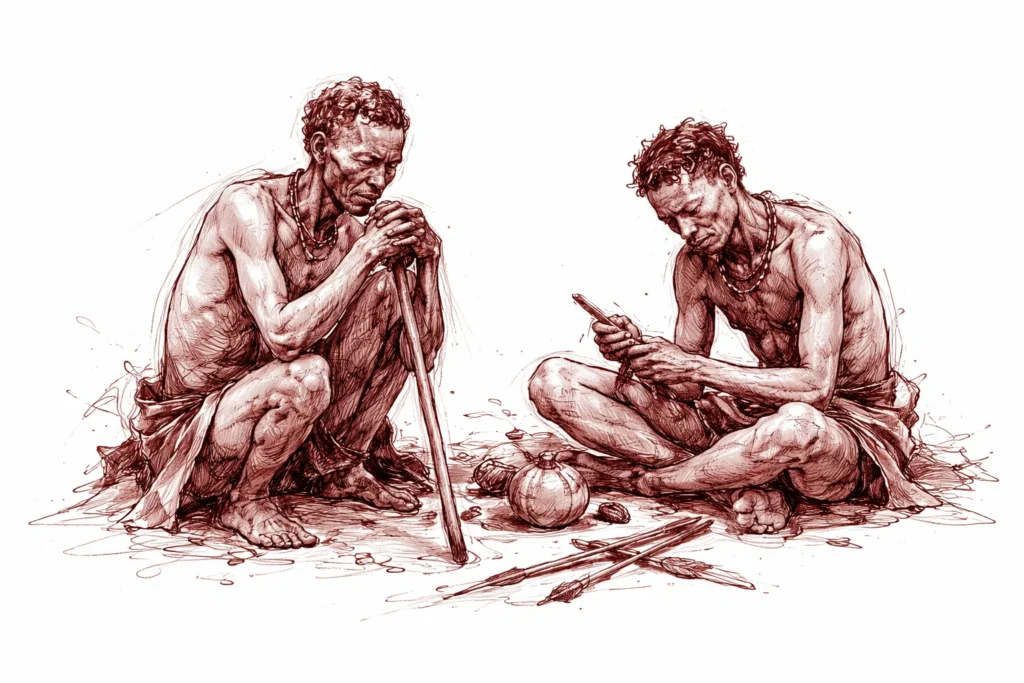
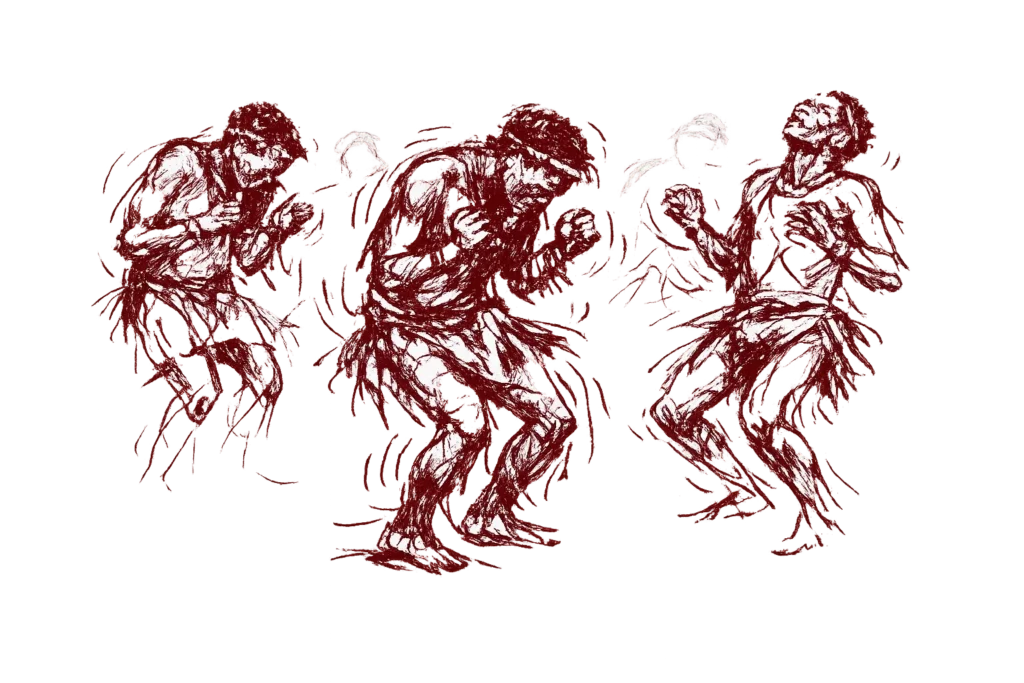
Kalahari Bushmen (San People – Southern Africa)
The San practice ecstatic trance dances involving rhythmic movement, shaking, trembling, and altered states to activate healing energy (n/um). Anthropologists regard them as one of the oldest continuous shamanic cultures on Earth (estimated 40,000–60,000+ years).
Shaking Tent Ceremony (North America)
Among Algonquian and other Indigenous peoples, spiritual leaders conduct “shaking tent” rituals where the tent physically trembles, symbolizing spiritual presence and energetic activation.
Australian Aboriginal Ceremonial Movement
Ritual dances including intense rhythmic movement, stamping, vibration, and trance states for spiritual alignment and community healing.
Japanese Seiki & Martial Traditions
Seiki Jutsu (Akinobu Kishi lineage) encourages spontaneous movement. Samurai martial training historically included vibrational practices and breath-based activation.
III. Taoist Internal Energy Practices
Neidan, Qi Gong & Zi Fa Gong
Internal Alchemy (Neidan) and Zi Fa Gong (Spontaneous Qigong) involve "self-arising skill"—spontaneous shaking and movement without imposed structure as qi reorganizes.
IV. Indian Yogic & Tantric Lineages
Tantra, Kriya & Kundalini Yoga
Awakening kundalini through breath and movement; spontaneous shaking (Kriyas) arises during energetic release to clear blockages.
Osho (Bhagwan Shree Rajneesh)
Systematized shaking through Dynamic Meditation and Kundalini Meditation as tools for emotional detox and energetic clearing.
V. Indonesian & Southeast Asian Practices
Ratu Bagus & Latihan Kejiwaan (Subud)
Bio-Energy Shaking for emotional purification and spontaneous spiritual exercises emerging from inner guidance rather than technique.
VI. European Ritual & Folk Traditions
Călușari (Romania)
Ancient ritual dance featuring rhythmic stamping and trance-like states associated with embodied communal cleansing and spiritual activation.
VII. Christian & Biblical Contexts
Shakers, Quakers & Pentecostal Traditions
Ecstatic worship involving trembling and shaking under divine inspiration. Historical references to "quaking before the Lord" as a bodily expression of spiritual intensity.
VIII. Martial & Shamanic Parallels
Warrior Activation
Rhythmic movement and tremoring used globally to prepare for battle, enter trance, and cleanse fear.
IX. Thematic Threads
Core Patterns
• Tremor as discharge
• Movement before stillness
• Ecstasy as purification
• Community ritual as healing container
• Movement before stillness
• Ecstasy as purification
• Community ritual as healing container
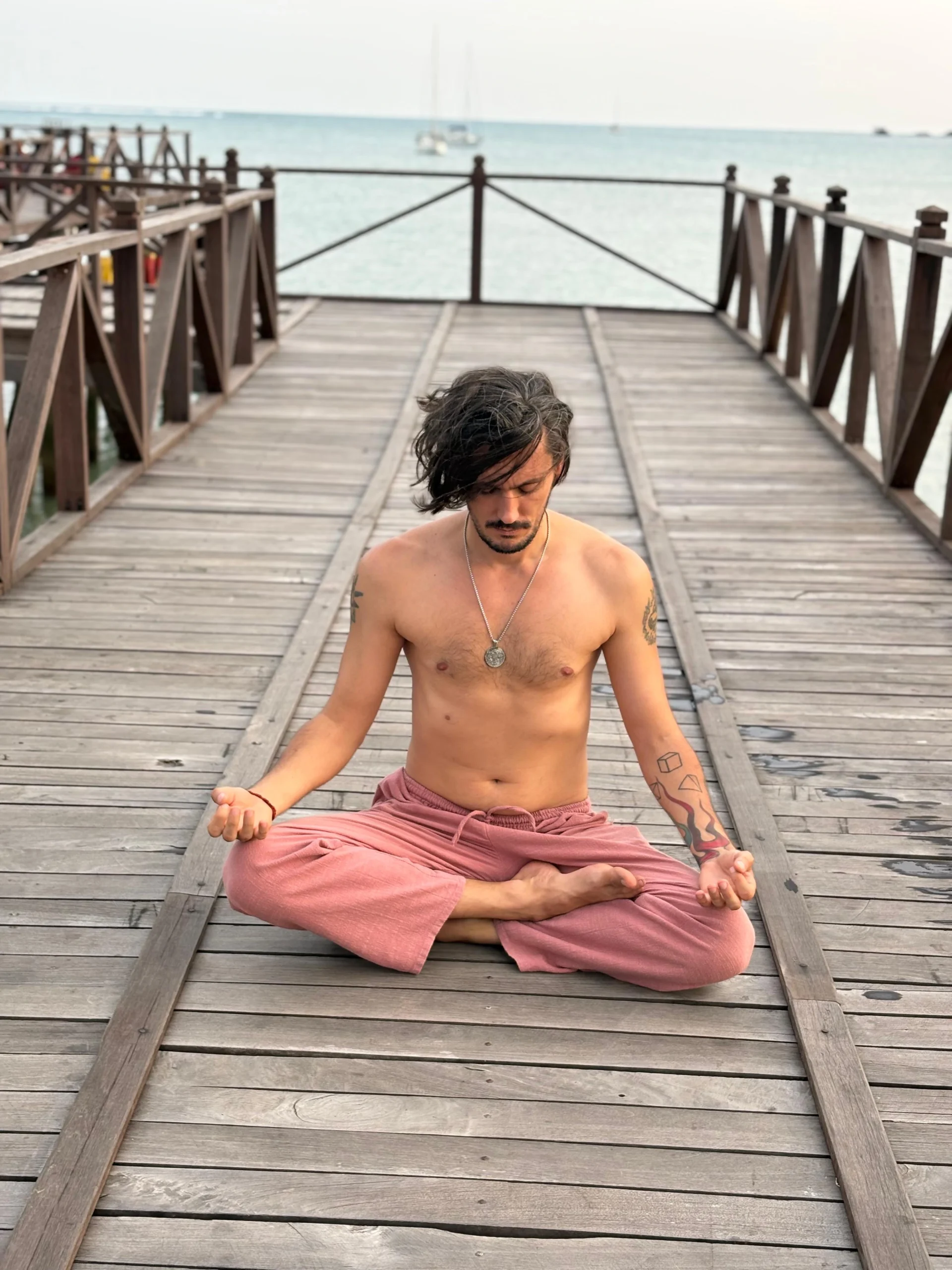
Master Teacher
Adrian Bajenaru
Founder of somaticshaking.com. Bridging clinical psychology with 17 years of Taoist Alchemy, Kundalini Yoga & Tantra to discharge trauma, anxiety, and deep nervous system tension.
15K+
Students
17 YRS
Experience
BA
Psychology