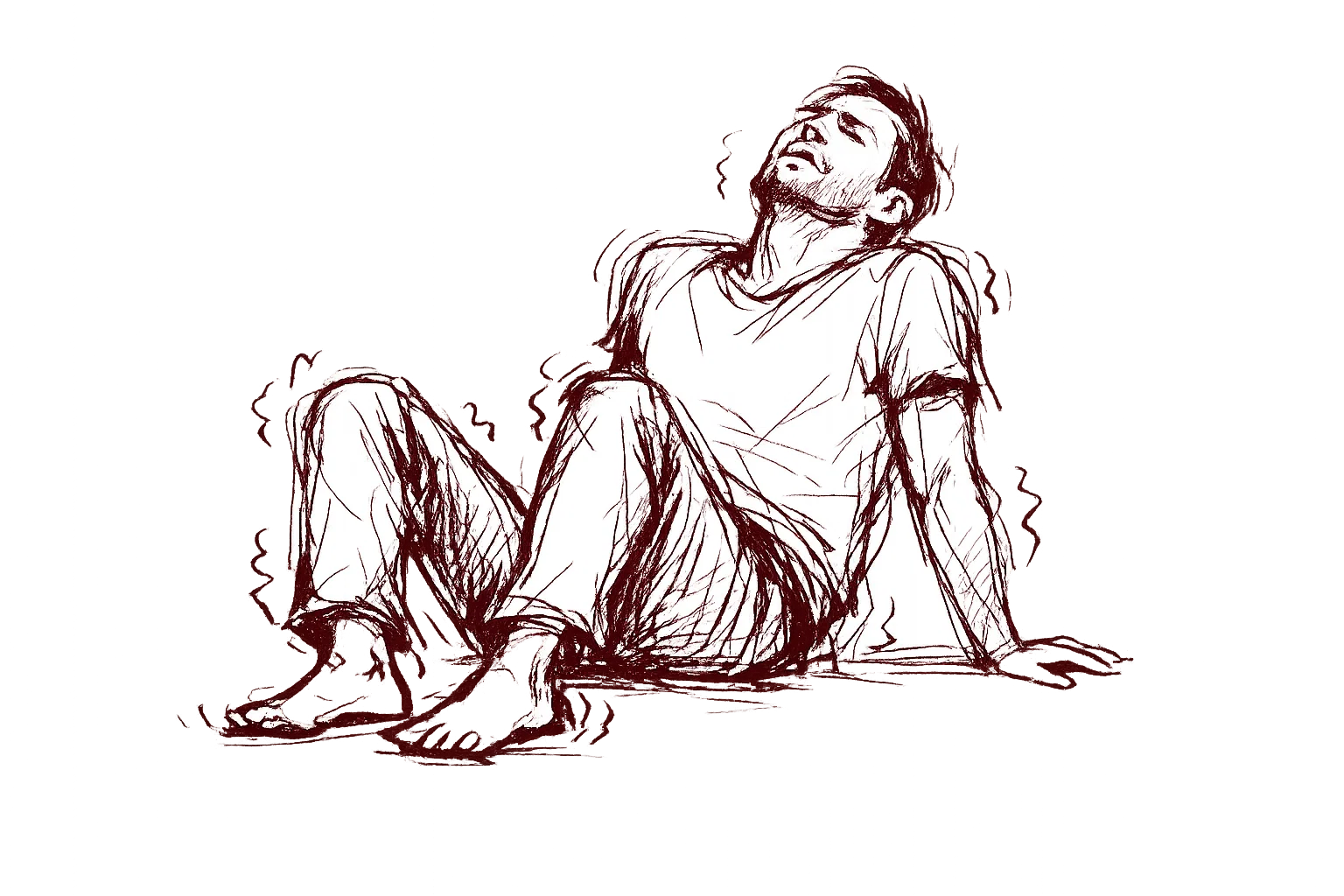
dynamic
shaking
Long before somatic practices entered modern wellness language, the human body already knew how to regulate itself through movement, rhythm, and collective trance. In the Kalahari Desert, the San people have practiced healing dances for thousands of years, where rhythmic stomping, shaking, and sustained movement generate intense internal heat, often described as a rising energy that moves through the body and releases tension, illness, and emotional burden.
The entire community participates, creating a field where individual regulation becomes collective healing, and where the body enters altered states through repetition, rhythm, and surrender to movement.
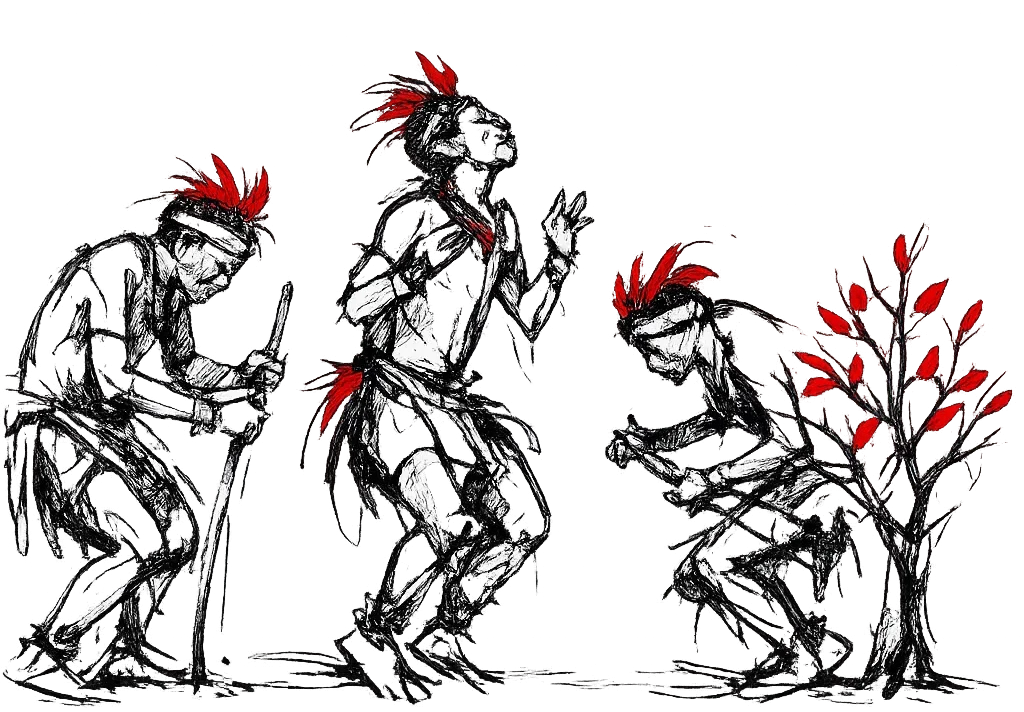
A similar pattern appears in Eastern Europe through the ritual of the Călușarii, where dancers engage in highly rhythmic, percussive movements that create both physiological activation and a form of energetic cleansing. The stomping, the repetitive patterns, and the trance-like intensity of the dance reflect a deep understanding of how movement reorganizes the nervous system, mobilizes energy, and restores coherence within the body. These rituals were never framed as “exercise,” but as medicine, as a way of resetting the organism through rhythm and embodied participation.
In modern contexts, this same principle resurfaces in practices such as ecstatic dance, where individuals allow the body to move freely without choreography, often entering states of flow, emotional release, and expanded awareness. The absence of structure allows the nervous system to express patterns that remain suppressed in daily life, while the rhythmic environment supports a gradual transition from controlled movement into spontaneous expression.
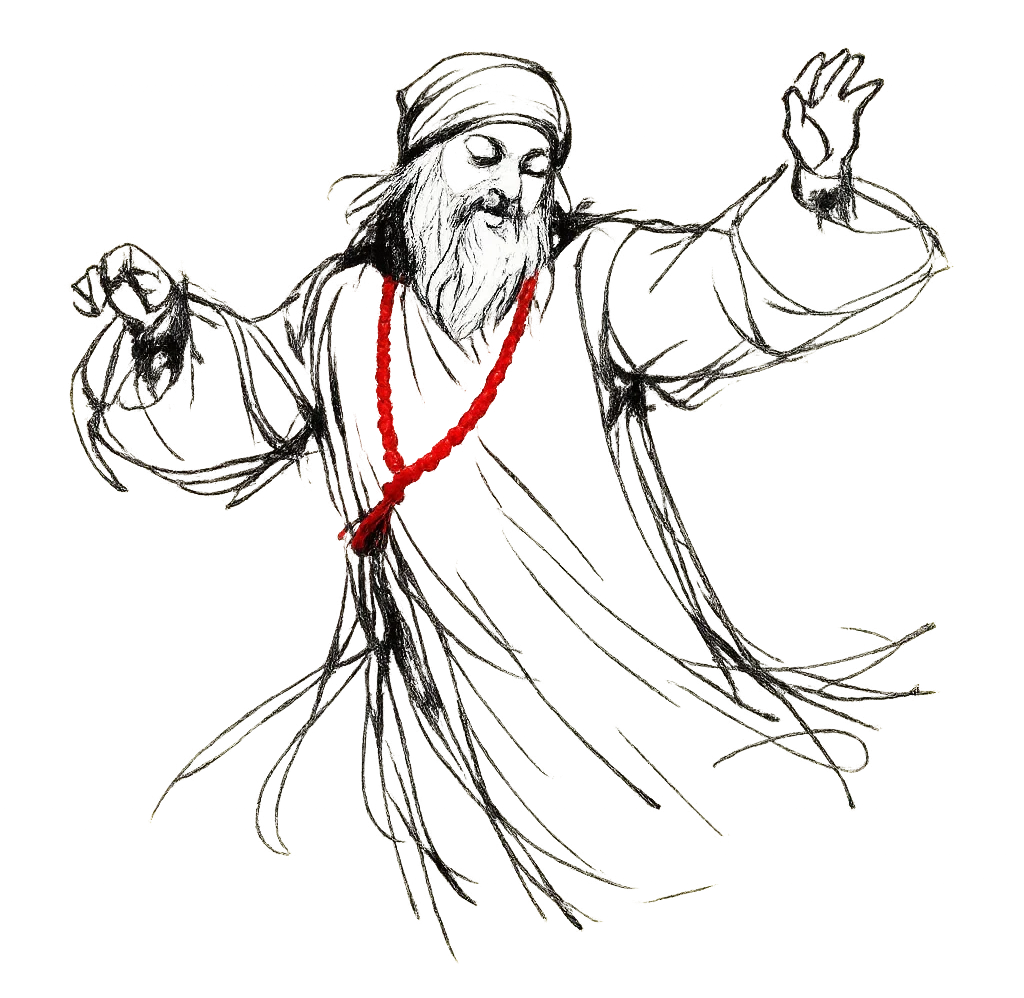
A more structured parallel appears in Dynamic Meditation developed by Osho, where intense breathing, chaotic movement, and expressive shaking create a deliberate pathway into catharsis and inner silence. This method recognizes that stillness emerges more naturally after the body has released accumulated activation, rather than through forced mental control.
At its core, dynamic shaking represents a return to a universal language of the body, one that transcends culture and time, where rhythm, movement, and sensation guide the organism back toward balance, vitality, and a deeper sense of internal freedom.
From Ritual to Biology
Dynamic shaking is not new. Across cultures and body-based traditions, shaking has been used as a way to interrupt rigidity, mobilize life force, and restore movement to the system.
In modern life, many people lose contact with this natural discharge capacity. The body still knows how to release, yet most people have been trained to suppress tremor, intensity, and spontaneous movement.
This work is a return to that biological intelligence, approached in a clear, practical, and grounded way.