the science of somatic shaking

WHAT IS SOMATIC SHAKING?

Two years ago, people did not really understand what I meant when I used the word “somatic.” Now it is becoming mainstream, and at some point, it may even turn into a buzzword.

Somatic Shaking is a practice that uses shaking, tremors, and visceral responses to release tension, blockages, and resistance stored in the body. This process can lead to cathartic states that gradually translate into benefits for both mind and body. These include nervous system regulation, lymphatic drainage, deep relaxation, self-regulation, trauma recovery and much, much more. 

It works through movement, tremoring, interoceptive awareness, and autonomic recalibration to help the body move out of chronic survival patterns and into greater resilience, safety, and functional coherence.

what is happening in your body when you shake?

When you start shaking, the body gradually lets go of the sympathetic charge, the energy accumulated during a fight-or-flight response. As small stabilizing muscles activate, they send signals of safety back to the brain, allowing the system to settle.

Shaking engages the myotatic stretch reflex, the body’s automatic response to stretch and vibration, which helps downregulate excessive muscle tone and allows tight areas to release. At the same time, it stimulates proprioceptive nerve endings in the fascia and joints. As these receptors send clearer signals about the body’s position in space, body awareness improves, and this shift supports the reduction of hyper-arousal in the system.

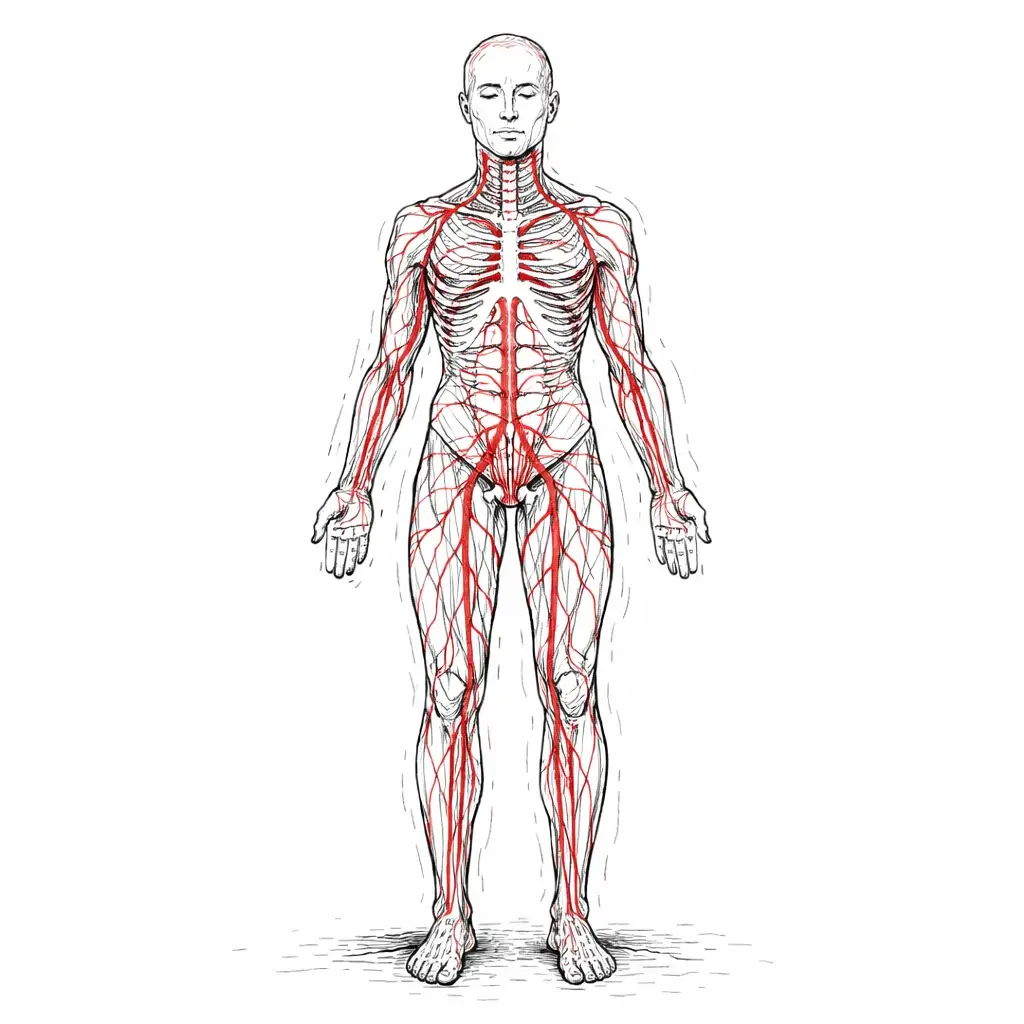
Shaking increases both blood flow and lymphatic circulation, which supports detoxification processes and the delivery of nutrients throughout the body. At the same time, rhythmic somatic movement has been shown to influence the autonomic nervous system, guiding it toward parasympathetic dominance, the state associated with rest and recovery.

Research in clinical settings indicates that somatic-based approaches can help reduce symptoms of post-traumatic stress, improve emotional regulation, and support recovery from chronic stress.

If you’re conducting your own research on the web, even in the mainstream health literature, you can find that shaking is linked to lower levels of stress hormones and reduced muscle tension, contributing to a reset of both body and mind.

From survival to freedom

Now think about animals. They naturally use the shaking mechanism in two ways:

  • Dynamic: when they stay on the ground or remain in static postures for longer periods.
  • Neurogenic: imagine a dog that has just escaped danger. It begins to shake intensely.

The first form activates vital energy and sets the system in motion, while the second releases excess activation from the nervous system.

On a physiological level, the practice can be understood through several complementary lenses:

  • polyvagal theory
  • somatic experiencing
  • interoception
  • predictive processing
  • fascia research
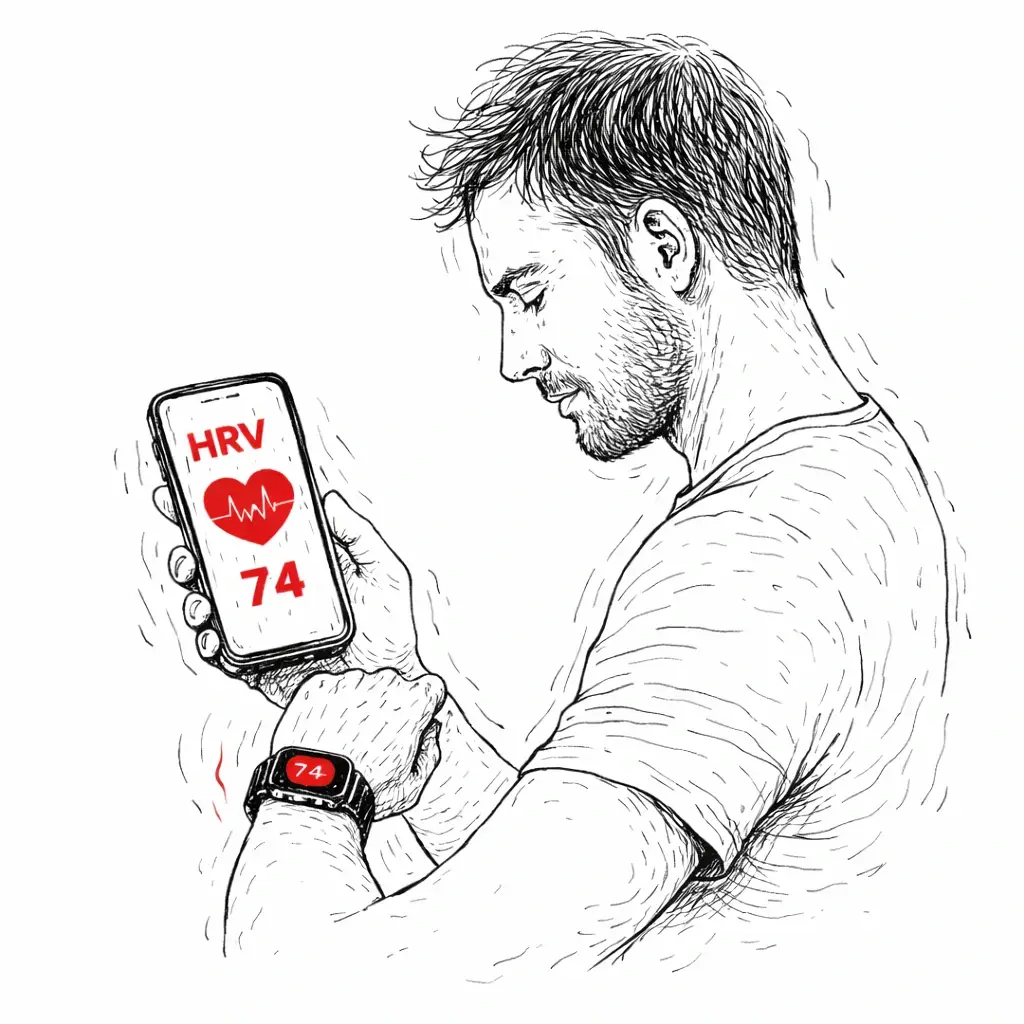
  • heart rate variability
  • neuroplasticity.

Together, these models help explain why shaking can support stress discharge, vagal tone, body awareness, and the creation of new self-regulating patterns.

In the Somatic Shaking Method, both mechanisms are used, dynamic and neurogenic, sometimes practiced separately, sometimes combined, one following the other. 

The process often begins with dynamic shaking, which activates the body and brings the system into motion. From there, it can naturally transition into neurogenic tremors, where the shaking becomes less controlled and more reflexive. 

At the same time, we’re using specific postures to trigger autogenic tremors. These techniques can be practiced standing, lying down, or even sitting on a chair.

Dynamic shaking can, at times, trigger these neurogenic responses. This shift marks a change from intentional movement to the body’s own discharge process, allowing deeper layers of activation to be released.

scientific foundation of shaking

  • Polyvagal regulation trough somatic shaking: Somatic Shaking supports autonomic flexibility by helping the system move out of prolonged fight, flight, freeze, and shutdown states. In practical terms, this means more capacity for calm engagement, emotional stability, and faster recovery after stress activation.
  •  Stress discharge and trauma release: Tremoring can help complete unfinished defensive responses held in the body. This is one of the key reasons body-based methods are relevant in trauma work. The body does not only store the memory of events, it also carries the activation patterns that were never fully resolved.
  • Interoception and Self-Awareness: The practice strengthens interoception, your ability to sense what is happening inside the body. As this improves, you detect tension, anxiety, collapse, agitation, and safety cues earlier. Better body awareness supports better self-regulation.
  • Predictive processing update: The nervous system runs on predictions based on past experience. When the body receives new sensations in a safe and regulated context, old threat predictions can begin to update. This helps loosen habitual responses and supports new embodied patterns.
  • Fascia, Tension, and Movement: Chronic stress often shows up as bracing, rigidity, contraction, and reduced movement variability. Shaking introduces rhythmic mobilization through the whole body, which may help soften holding patterns and restore a more fluid relationship between structure, sensation, and movement.
  • Neuroplasticity Through Repetition: Repeated states become traits. When regulation is practiced consistently, the nervous system learns it. This is where somatic shaking becomes more than a cathartic experience. It becomes training for resilience, regulation, and a more stable inner baseline.

why i include somatic shaking in my classes, workshops, retreats and private session?

I taught yoga and Taoism for over a decade, and before every class I would start with dynamic shaking. I could clearly see the benefits of the practice, but I never imagined it would become the main method I use in my work with clients.

I began noticing spontaneous tremors in my clients during sessions. As I paid closer attention to their effects and outcomes, I ran an experiment that included both myself and my clients. For several months, we went deeper into the practice and discovered that somatic shaking is a complete system in itself. This is how I developed the Dynamic way of shaking, the Neurogenic practice and the Kundalini path. All together as one method: SOMATIC SHAKING.

You don’t need flexibility to practice somatic shaking. You don’t need to do the splits, and you don’t have to be highly fit. Anyone can do it. One of my students, a teacher, now practices it together with children using what she learned from me. It is becoming a real movement, and I’m proud to be part of how it’s growing.

You can attend to our events and workshops online or live, around the world.

SHAKING AND BOUNCING: A NATURAL MECHANISM

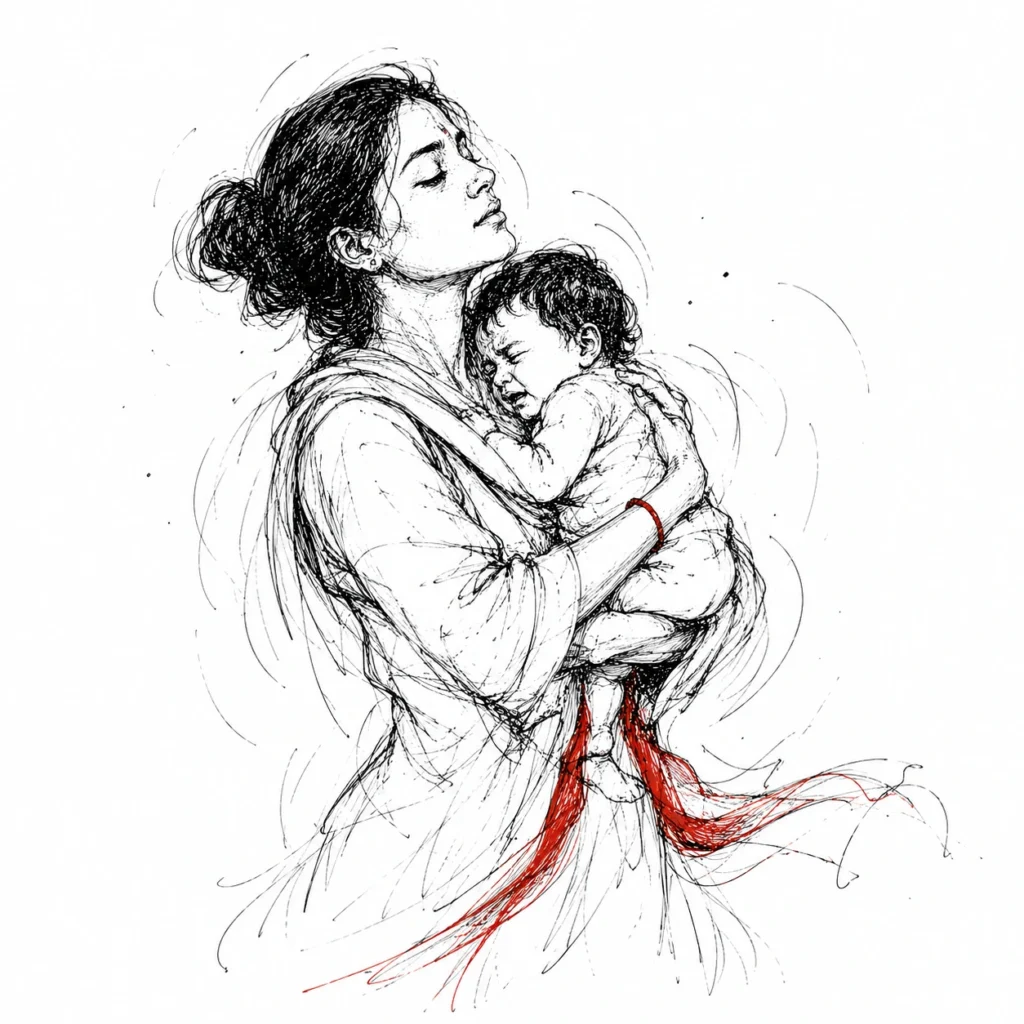
The intuition that a mother calms her child through rocking, carrying, bouncing, and rhythmic movement is strongly supported by developmental science. The body learns safety through contact, rhythm, warmth, vestibular stimulation, and proximity; in this sense, movement becomes one of the earliest languages of regulation.

The American Academy of Pediatrics / HealthyChildren.org recommends babywearing not only as a response to crying, but also as a way to help prevent crying, support parent-infant attachment, and encourage development. This is important because it shows that carrying is not merely a cultural habit; it is part of how the infant nervous system organizes safety through closeness and movement.

One of the classic studies in this field is Hunziker and Barr’s 1986 Pediatrics study, which found that supplemental carrying reduced infant crying and fussing. This study is frequently cited because it showed that babies carried for longer periods cried less overall, especially during the evening hours when crying usually increases. In simple terms, being carried helps the infant body return toward regulation.

A more recent study published in Current Biology, summarized by ScienceDaily / Cell Press, examined the infant “transport response.” Researchers found that when mothers walked while carrying crying infants, the babies calmed and their heart rates slowed within a short time, while holding without movement was less effective. This supports the idea that walking, carrying, and gentle motion activate a biological calming response.

Research on Kangaroo Mother Care also shows how skin-to-skin contact can support stress regulation in preterm infants and mothers. Other NIH/PMC research suggests that kangaroo care may have long-term neurodevelopmental benefits, including protective effects on brain development in children born prematurely. These findings point toward the same principle: the nervous system develops through embodied contact.

Safety remains essential. Babywearing should respect airway, posture, and hip position, especially in newborns or medically vulnerable infants. The T.I.C.K.S. babywearing safety guide emphasizes that the baby should be tight, in view at all times, close enough to kiss, with the chin off the chest, and with the back supported. For hip support, many babywearing educators also recommend the ergonomic “M” position, where the knees sit higher than the bottom and the hips are supported.

These sources help clarify the larger point: rhythmic movement is not an invention of modern somatics. It is already present in the earliest bond between caregiver and child. Before the mind can explain safety, the body learns it through being held, moved, carried, balanced, and gently brought back into rhythm.

THE FIRST SHAKE, THE PULSE

At the deepest level, life is rhythmic. Nothing in the universe is completely still; everything pulses, vibrates, oscillates, circulates, expands, contracts, and moves in patterns of visible or invisible motion. Stars pulse, waves roll, breath rises and falls, the nervous system fires in rhythmic sequences, and the heart marks existence through repeated contraction. In this sense, life is always shaking, always expressing itself through movement, rhythm, and return.

This is why shaking, swaying, rocking, and trembling are so fundamental. They are not strange interruptions of life, but expressions of its deepest language. The pulse is the first teacher. Before words, before posture, before thought, there is beat, wave, vibration, circulation, and rhythmic exchange. The body learns existence through repetition, and repetition becomes the first form of orientation.
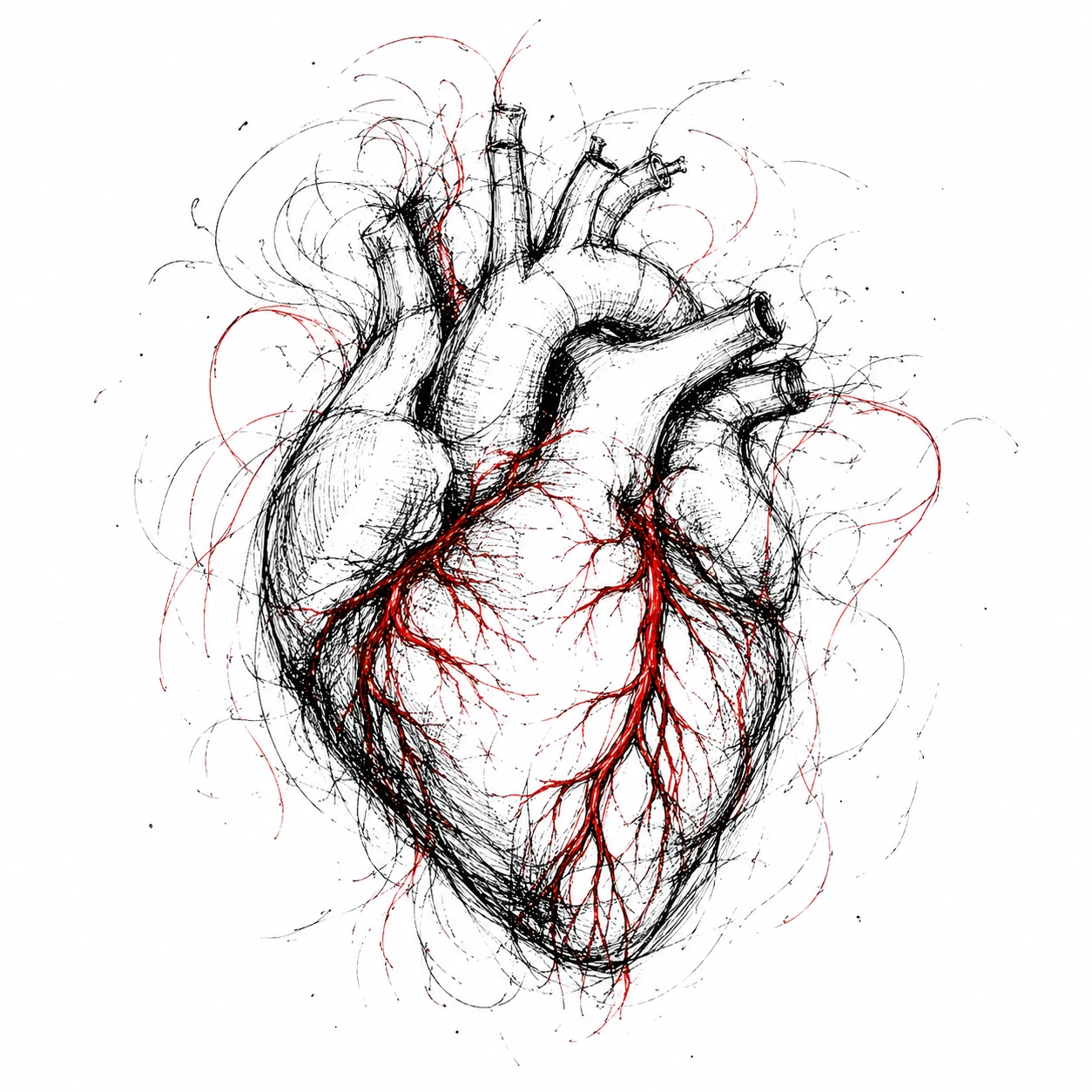
Pulse is the first shake

In the human story, one of the first great rhythms is the heartbeat. The first beat of the embryo can be understood, in a poetic and somatic sense, as the first shake of life, the first pulse announcing that form has entered rhythm. From that moment onward, the developing being is held inside a living environment of motion: the mother’s heart, the mother’s breath, the mother’s walking, the mother’s swaying, the mother’s voice, the mother’s nervous system, the mother’s internal tides.

The mother transmits rhythm to the baby long before birth. Her body becomes an ocean of patterned motion in which the child is shaped, regulated, and informed. Through pulse, movement, pressure, and sound, the baby is introduced to the world through repeated waves of embodied safety. In this sense, shaking is not merely something that appears later under stress or release; it belongs to the original grammar of life itself.

After birth, this same principle continues. A mother rocks her child, carries the child, bounces gently, hums, walks, and sways. The infant is soothed through rhythm because rhythm is already familiar. The body recognizes what the mind cannot yet name. It remembers pulse, containment, and the moving field of maternal regulation. This is why movement feels like home.

Somatic Shaking™ works with this primordial intelligence. It recognizes that the body often returns to regulation through the same pathways by which it first learned life: pulse, rhythm, vibration, breath, and wave-like movement. What we call shaking may sometimes be the nervous system’s way of remembering its oldest blueprint, the ancient truth that healing does not begin in abstraction, but in rhythm, in motion, and in the living pulse that has been with us from the beginning.

Scientific References

  • Porges, S. W. (2011). The Polyvagal Theory: Neurophysiological Foundations of Emotions, Attachment, Communication, and Self-Regulation.
  • Levine, P. A. (2010). In an Unspoken Voice: How the Body Releases Trauma and Restores Resilience.
  • Van der Kolk, B. A. (2014). The Body Keeps the Score: Brain, Mind, and Body in the Healing of Trauma.
  • Craig, A. D. (2002). How Do You Feel? Interoception: The Sense of the Physiological Condition of the Body.
  • Seth, A. K., & Friston, K. J. (2016). Active Interoceptive Inference and the Emotional Brain.
  • Schleip, R. (2003). Fascial Plasticity: A New Neurobiological Explanation.
  • Thayer, J. F., & Lane, R. D. (2000). A Model of Neurovisceral Integration in Emotion Regulation and Dysregulation.
  • Doidge, N. (2007). The Brain That Changes Itself.
Explore the ancestral roots of shaking as ritual, rhythm, and transformation 
WHATSAPP ME