Let's Shake Hands: Free Connection Call 

What Triggers a Kundalini Awakening?
Student: What Triggers a Kundalini Awakening?
Teacher: Kundalini awakening occurs when inner energy begins to rise through the subtle system of the body. This activation happens gradually through purification, devotion, disciplined practice, and grace.
Traditionally, Kundalini Shakti awakens in three primary ways.
The first way is through deep meditation and inner purification. As a practitioner clears negative impressions from the mind and body through sustained meditation, emotional balance increases and the nervous system becomes more refined. During this process, the practitioner may experience visions of sacred symbols, temples, deities, holy beings, or luminous places within meditation. These experiences reflect movement of energy through the subtle centers of awareness.
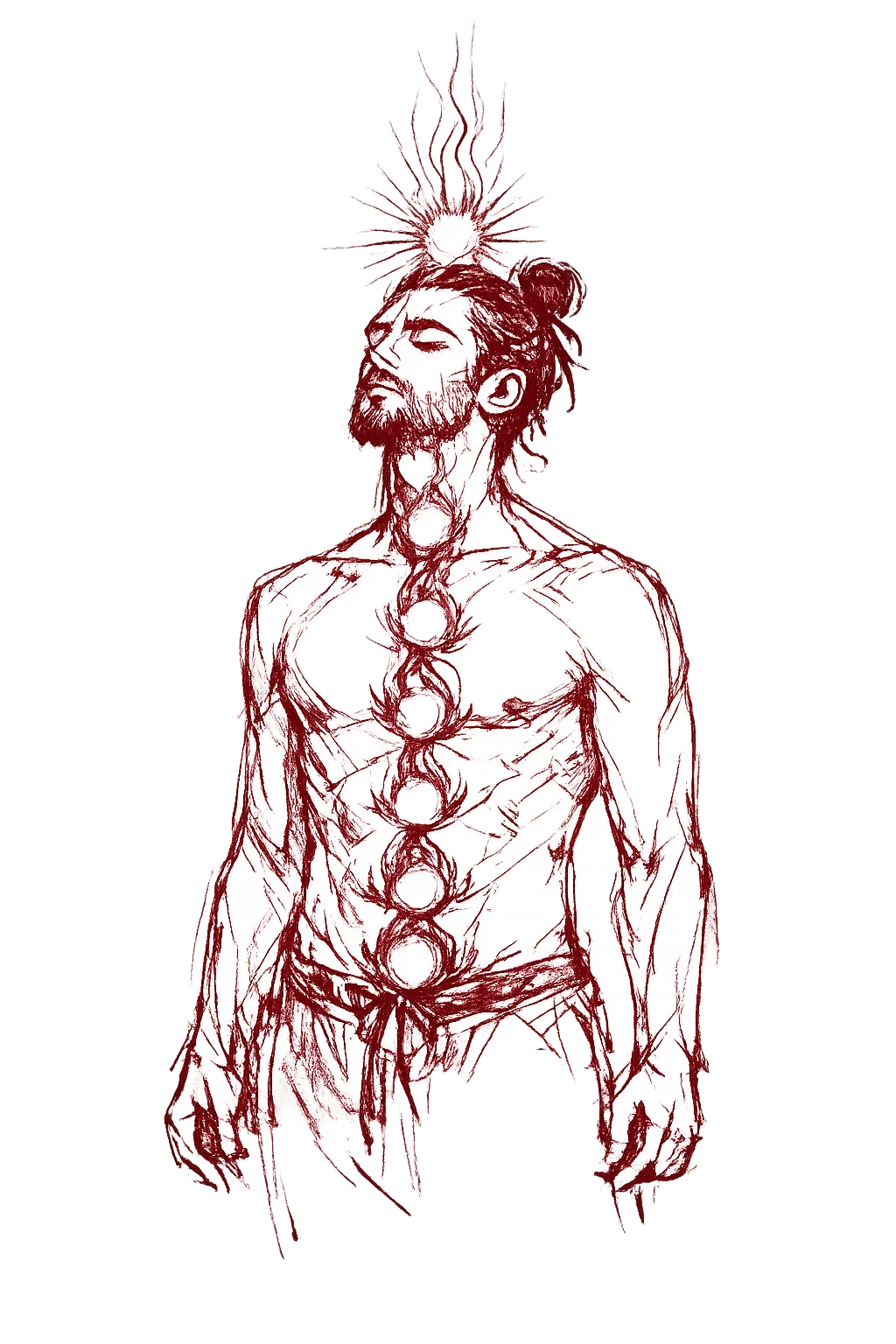
As purification deepens, Kundalini Shakti rises from the base chakra, known as Mooladhara, located at the base of the spine, and gradually moves upward through the seven chakras. The final center, Sahasrara, located at the crown of the head, represents expanded consciousness and unity with the Supreme Reality, referred to in different traditions as Parmatma, Ishwara, God, or Waheguru. In this state, the practitioner experiences oneness with the Absolute.
The second way is through the grace of a realized spiritual master. In certain traditions, awakening occurs through Shaktipat, the transmission of spiritual energy from teacher to disciple. This transmission may happen through mantra initiation, physical touch, direct gaze, or blessing. The Guru offers a sacred mantra for repetition, and through disciplined chanting over months or years, Kundalini gradually activates and rises.
The third way is through systematic yogic practice. Hatha Yoga, Dhyana Yoga, Bhakti Yoga, and Pranayama Yoga prepare the body, breath, and mind for energetic awakening. With consistent practice over months and years, the subtle channels become purified and capable of conducting higher levels of pranic flow.
Meditation plays a central role in all these approaches. Traditionally, meditation is practiced on an empty stomach, seated on a natural surface such as a woolen mat or blanket, at a fixed time and place each day. Morning and evening hours provide stability and rhythm to the nervous system. The practitioner may chant a sacred mantra, focus attention at the center of the forehead, or contemplate a sacred image placed at eye level several feet away. After meditation, a brief period of stillness allows the body and mind to integrate the experience before standing.
Over time, inner negativity decreases. Emotional reactivity softens. Clarity increases. Peace and subtle joy arise naturally. As Kundalini Shakti moves from lower centers to higher ones, practitioners sometimes report heightened sensory perception, subtle fragrances, spontaneous bodily movements, or states of profound stillness.
The purpose of Kundalini awakening lies in purification and transformation. As karmic impressions dissolve and ego-based tendencies weaken, awareness expands. The individual becomes more aligned with compassion, responsibility, and service. The awakened energy circulates positivity into the surrounding world, elevating not only the practitioner but also the community.
Kundalini awakening requires sincerity, discipline, humility, and gradual refinement of character. As the mind clears of ego, vanity, excess desire, and destructive impulses, the inner pathway opens. The ascent of Kundalini then becomes a movement of conscious evolution, guided by devotion and grounded embodiment.
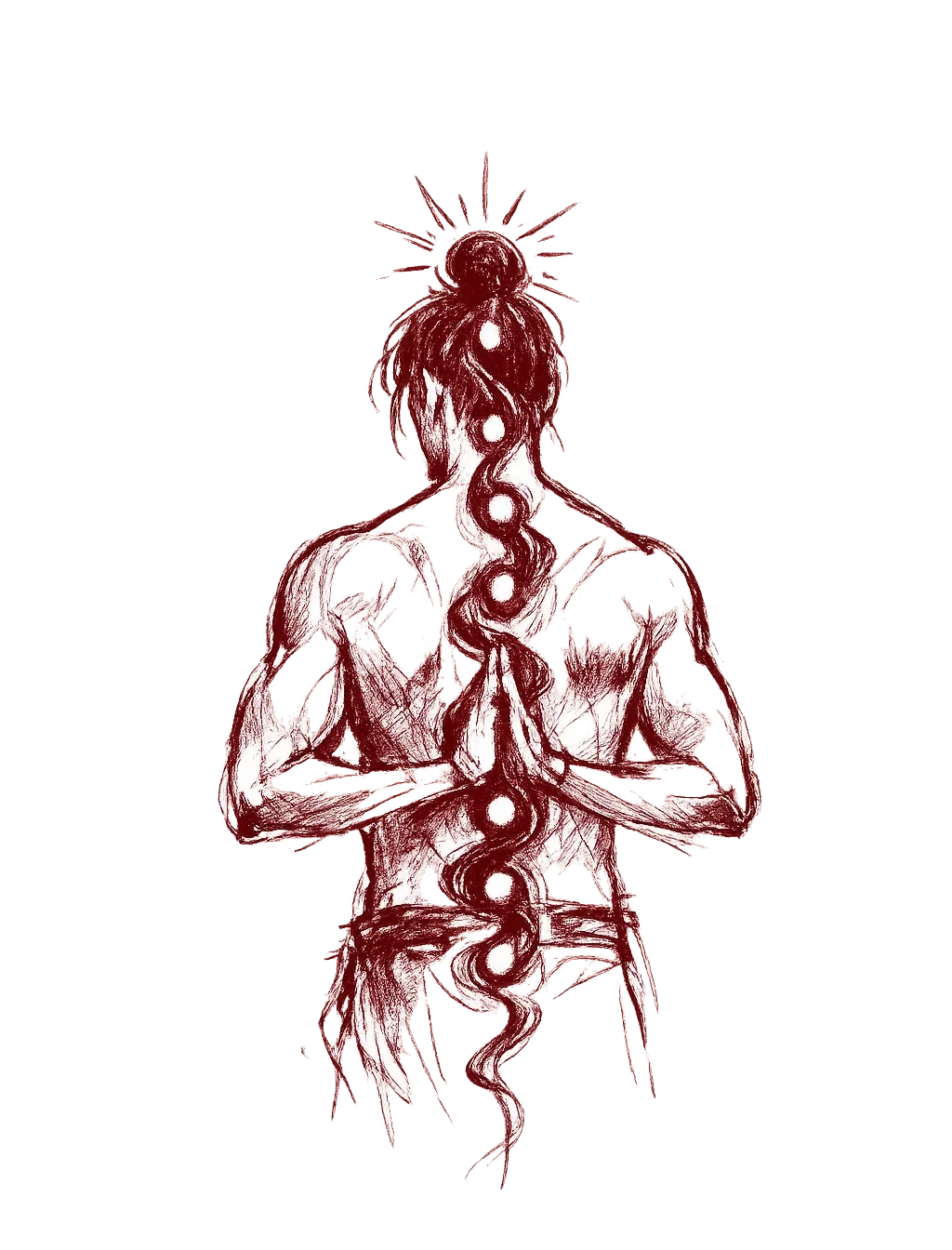
S: How can somatic shaking can trigger a Kundalini awakening?
T: Somatic shaking can be understood through two distinct but related lenses: rhythmic shaking and neurogenic (or spontaneous) shaking… Although they arise differently, both can play a deep role in releasing stored tension, restoring energetic flow.
Rhythmic shaking is intentional and structured. It appears in many traditional practices, including shamanic rituals, ecstatic dance, trauma-release exercises, and certain forms of kundalini-oriented movement.
The movement is voluntary and patterned, often repetitive, pulsing, or wave-like. Physiologically, rhythmic shaking stimulates circulation, mobilizes fascia, increases bioelectrical activity, and helps discharge accumulated muscular tension. Energetically, it builds charge in the body. This “charge” can be understood as heightened pranic or life-force activity.
When done consciously, rhythmic shaking amplifies energy, loosens stagnation, and begins to dissolve somatic and emotional blockages held in the tissues. It creates heat, vibration, and internal momentum — preparing the system for deeper release.
Neurogenic shaking, by contrast, is spontaneous and involuntary. It emerges when the nervous system shifts out of freeze or chronic contraction. In somatic trauma science, this is understood as a natural discharge mechanism of the autonomic nervous system. Animals in the wild tremble after threat to reset their physiology.
Humans retain the same mechanism, but social conditioning often suppresses it. When safety is restored — through breath, grounding, or meditative presence — the body may begin to tremor on its own. These tremors are not induced; they arise organically.
From a kundalini perspective, neurogenic shaking can be seen as prana reorganizing the subtle body. As energetic blockages soften, the flow through the central channel — the sushumna nadi — becomes more accessible. The spontaneous movements, kriyas, tremors, and undulations sometimes reported during kundalini awakening reflect the nervous system and subtle body recalibrating. In traditional language, this process is said to clear karmic imprints (samskaras) stored in the body-mind. In somatic language, it releases procedural memory, implicit trauma, and chronic sympathetic charge.
Where rhythmic shaking builds and mobilizes energy, neurogenic shaking distributes and integrates it. The first is active; the second is self-organizing. The first increases energetic intensity; the second allows the intelligence of the body to unwind patterns that obstruct vertical flow. When these processes occur safely and gradually, they may contribute to a clearer central channel, greater coherence between brain and spine, and a more stable experience of expanded awareness.
It is important to distinguish healthy neurogenic release from dysregulated activation. True discharge leads to increased calm, clarity, and embodiment afterward, not fragmentation or depletion. The hallmark of constructive kundalini-related shaking is integration: deeper grounding, emotional balance, and nervous system resilience.
In essence, rhythmic shaking prepares and mobilizes. Neurogenic shaking reorganizes and purifies. Together, they illustrate the bridge between somatic neuroscience and subtle-body spirituality: the body trembles not as a sign of disorder, but as a sign of intelligence restoring flow.
When neurogenic shaking occurs in a grounded, regulated state, it often feels intelligent and self-guided. The body may tremble, undulate, pulse, or perform spontaneous kriyas. These movements can be understood as prana reorganizing the subtle circuitry, clearing obstructions in the nadis, and allowing greater flow through the sushumna.
One of the deepest layers of stored contraction relates to what could be called the “death imprint” — the fundamental survival programming wired into the human organism. Biologically, this is the fear of annihilation embedded in the nervous system. Energetically and mythologically, it may be experienced as a transgenerational imprint carried through lineage. Trauma research confirms that stress patterns can transmit epigenetically across generations. Spiritual traditions describe a similar phenomenon as ancestral karma.
The idea that “we learned death” and inherited it from our ancestors can be understood symbolically: we inherit survival coding shaped by generations of threat, loss, and adaptation. This deep survival imprint compresses the root and sacral centers, restricting vertical flow. When neurogenic shaking reaches these depths, it may feel existential — as if the body is trembling out ancient fear. If the process unfolds safely, what emerges afterward is not collapse but increased vitality and trust.
Until next time… Shakers, Keep The Vibe Alive!
That Shakin' Guy