Let's Shake Hands: Free Connection Call 

Understanding the Action Potential
An action potential is a brief electrical signal in a cell. It rises and falls quickly and follows a fixed pattern. It appears in neurons, muscle cells, and endocrine cells. In neurons, it allows signals to travel along the axon and pass to other cells. In muscle cells, it starts the process that leads to contraction.
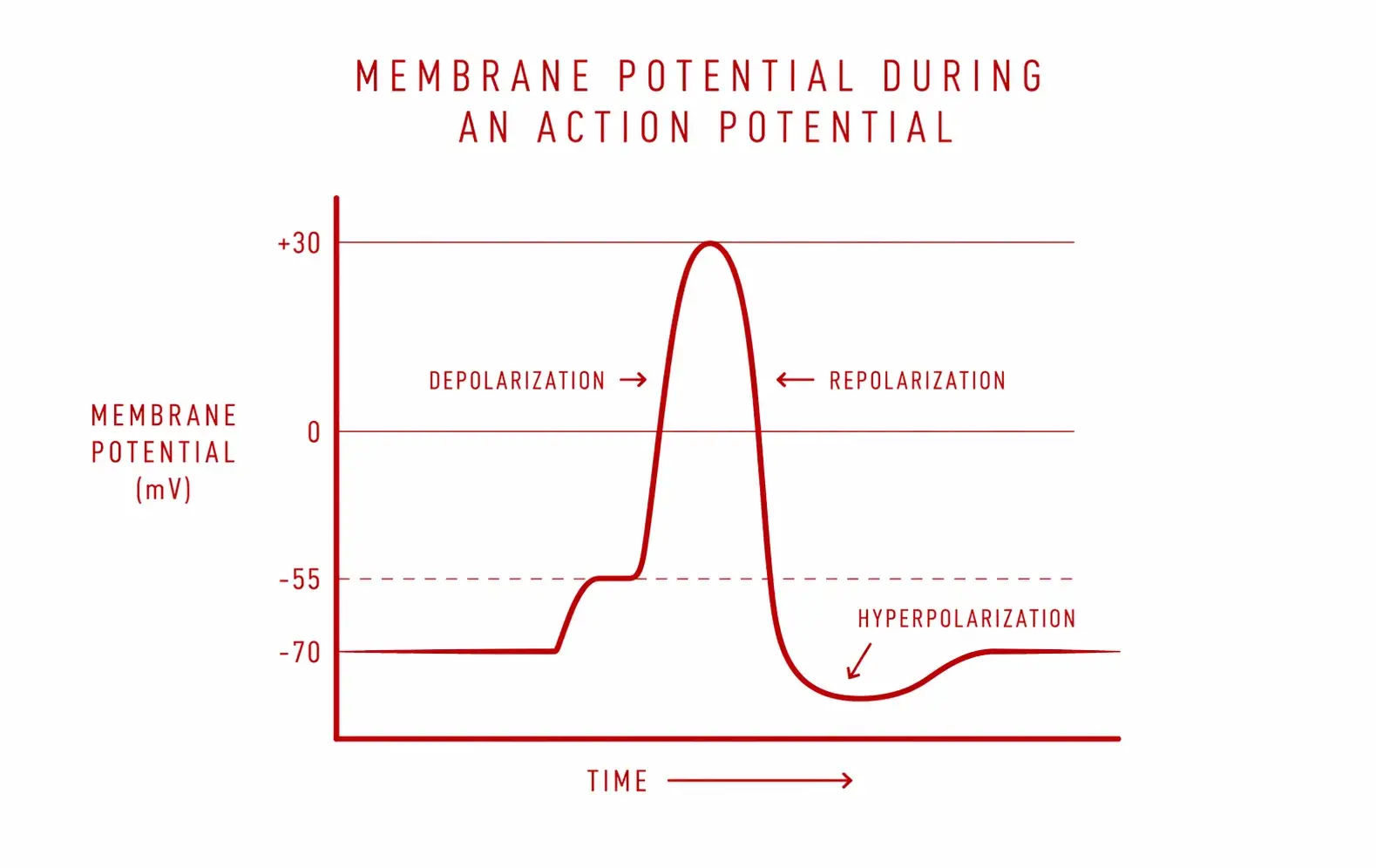
The signal works through sodium and potassium channels in the cell membrane. When a threshold is reached, sodium channels open and sodium enters the cell, which increases the signal. Then sodium channels close and potassium channels open.
Potassium leaves the cell and the cell returns to its resting state. For a short moment, the cell becomes slightly more negative, then stabilizes and is ready for the next signal.
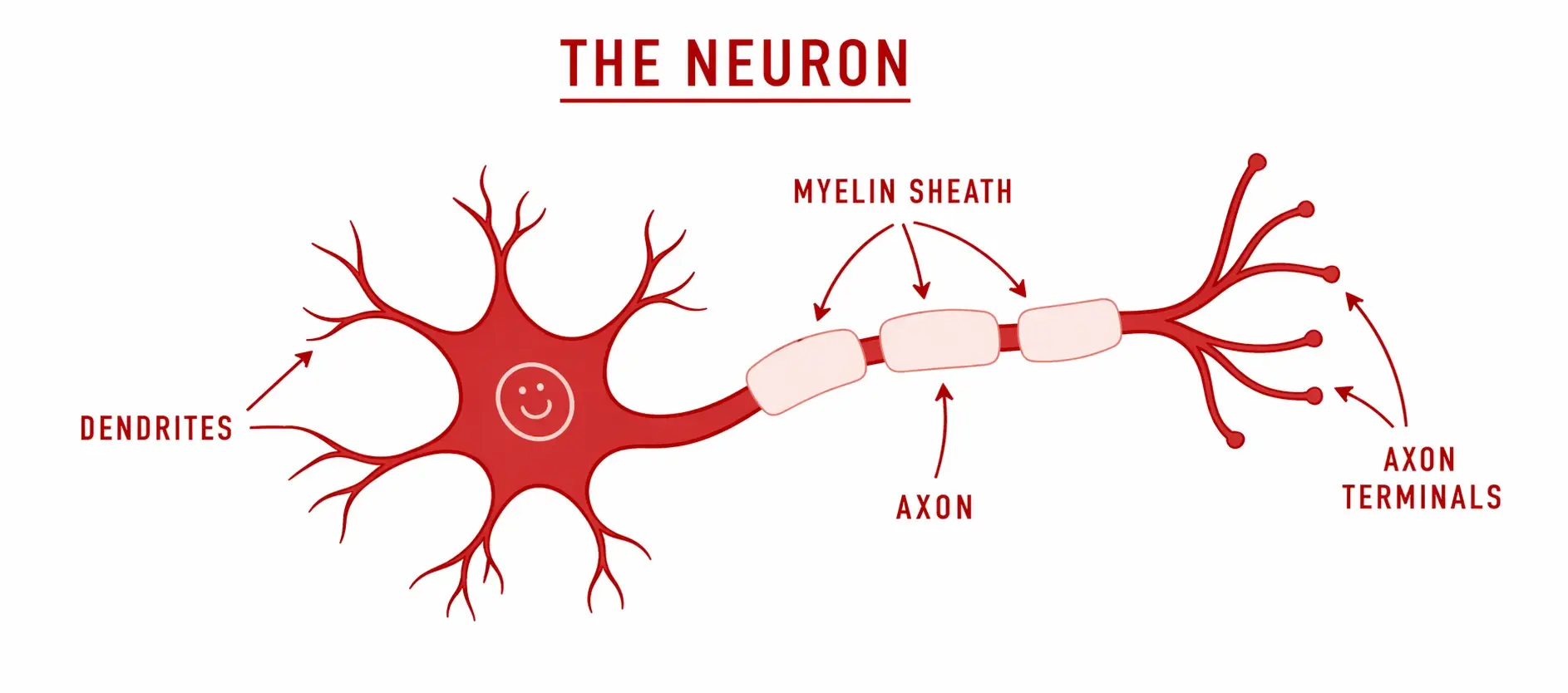
There are three main stages in an action potential:
- Depolarization: a signal triggers sodium channels to open, allowing positive ions to enter the cell and rapidly increase its charge
- Repolarization: sodium channels close, potassium channels open, and positive ions leave the cell, bringing it back toward its resting state
- Hyperpolarization: potassium continues to exit for a short time, making the cell more negative than normal before it stabilizes again
HOW IT RELATES TO SOMATIC SHAKING?
In neurogenic shaking, this process repeats in rapid cycles. The nervous system sends bursts of signals to the muscles, which create involuntary contractions and releases. This produces the shaking effect.
In dynamic shaking, you initiate movement on purpose. This voluntary input stimulates the same neural pathways and increases signal flow through the system. As the activity builds, the body can shift from controlled movement into spontaneous responses, where neurogenic shaking may emerge.
This is closely related to the autonomic nervous system because it governs involuntary processes and muscle responses. As it shifts between activation and recovery states, it can generate rhythmic neural signals that drive involuntary contractions, which show up as shaking.
Until next time… Shakers, Keep The Vibe Alive!
That Shakin' Guy