Let's Shake Hands: Free Connection Call 

What Is Nervous System Dysregulation?
Table of Contents
You know that moment when you feel stuck and nothing seems to align? You feel restless, live with constant anxiety, worry about tomorrow, and run on autopilot. At other times, you drop into fatigue, low states, lethargy, or cachexia. All of this points to a dysregulated nervous system.
It becomes a state you enter and stay in. You get used to it, it stabilizes, and over time you forget what your natural state feels like and start to treat this as normal.
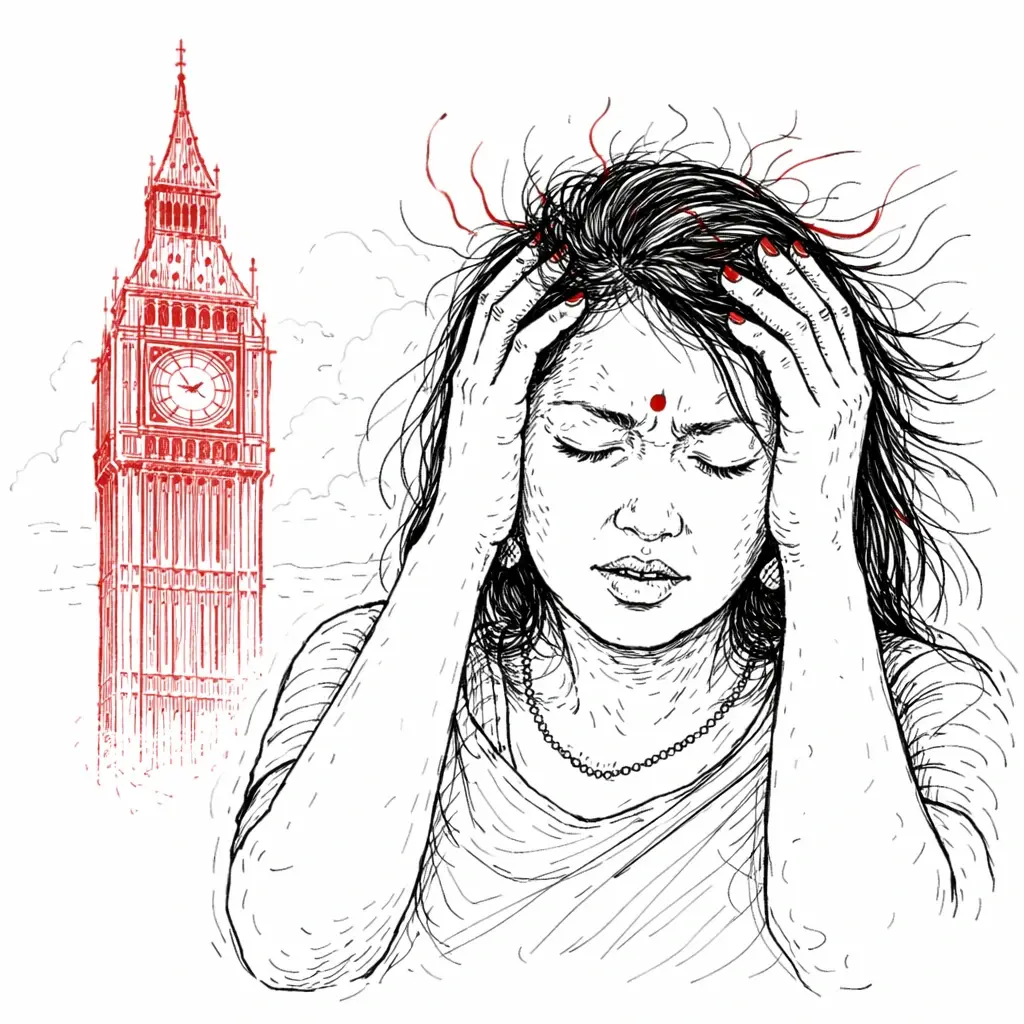
The autonomic nervous system, the body’s autopilot, works through two speeds that shift based on need. One is active when effort is required. The other is slow when the body needs rest. This constant shift between activation and relaxation describes how life functions. Today, many people chase only comfort and relaxation instead of building the ability to move between both states.

Defining Nervous System Dysregulation (NSD)
NSD can have different causes, though it often appears as a response to trauma or prolonged stress. Here are a few key points to consider.
- Emotional patterns: reactions that feel disproportionate to the situation, with anxiety, irritability, and low tolerance to pressure. This can lead to difficulty sustaining focus, episodes of brain fog, and disconnection in relationships.
- Physical patterns: sleep difficulties, insomnia, irregular sleep patterns, heart palpitations, agitation, and periods of hyperactivity followed by fatigue, low arousal, or autoimmune conditions.
- Behavioral patterns: maladaptive coping patterns such as people pleasing, confrontational behavior, avoidance, passive aggressive states, and other attitudes that reflect how stress and anxiety are managed in the background.
NSD involves two switches. “Switch on” appears when your mind races and you sit in a state of hyper arousal and alertness. “Switch off” shows up when you feel tired, have no drive, and your energy drops.
As the American Psychological Association notes, symptoms include:
- Muscle tension
- Headaches
- Tummy flutters
- Poor sleep
- Irritability
- Changes in appetite
- Changes in energy
- Difficulty concentrating
Until next time… Shakers, Keep The Vibe Alive!
That Shakin' Guy