MASTER YOUR STATE

Join the Somatic Shaking™ newsletter for nervous system reset, embodied healing and deeper practice.

What Is Nervous System Dysregulation?

You know that moment when you feel stuck and nothing seems to align? You feel restless, live with constant anxiety, worry about tomorrow, and run on autopilot. At other times, you drop into fatigue, low states, lethargy, or cachexia. All of this points to a dysregulated nervous system.

It becomes a state you enter and stay in. You get used to it, it stabilizes, and over time you forget what your natural state feels like and start to treat this as normal.
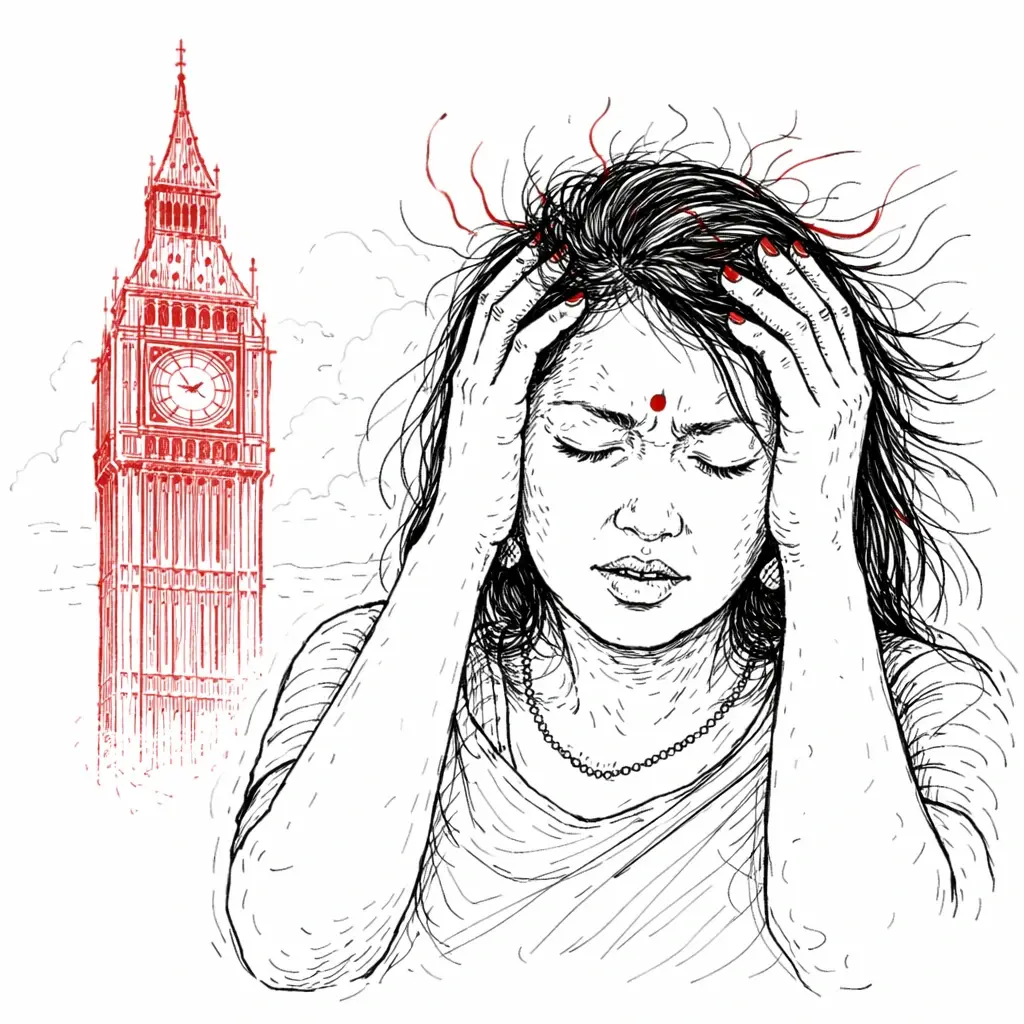
The autonomic nervous system, the body’s autopilot, works through two speeds that shift based on need. One is active when effort is required. The other is slow when the body needs rest. This constant shift between activation and relaxation describes how life functions. Today, many people chase only comfort and relaxation instead of building the ability to move between both states.

What is Nervous system dysregulations and how somatic shaking can help you regulate


Defining Nervous System Dysregulation (NSD)

NSD can have different causes, though it often appears as a response to trauma or prolonged stress. Here are a few key points to consider.

  • Emotional patterns: reactions that feel disproportionate to the situation, with anxiety, irritability, and low tolerance to pressure. This can lead to difficulty sustaining focus, episodes of brain fog, and disconnection in relationships.
  • Physical patterns: sleep difficulties, insomnia, irregular sleep patterns, heart palpitations, agitation, and periods of hyperactivity followed by fatigue, low arousal, or autoimmune conditions.
  • Behavioral patterns: maladaptive coping patterns such as people pleasing, confrontational behavior, avoidance, passive aggressive states, and other attitudes that reflect how stress and anxiety are managed in the background.

NSD involves two switches. “Switch on” appears when your mind races and you sit in a state of hyper arousal and alertness. “Switch off” shows up when you feel tired, have no drive, and your energy drops.

As the American Psychological Association notes, symptoms include:

  • Muscle tension
  • Headaches
  • Tummy flutters
  • Poor sleep
  • Irritability
  • Changes in appetite
  • Changes in energy
  • Difficulty concentrating

A dysregulated nervous system shows up as rigidity in how you move between high and low states. Dysregulation means your body’s automatic control systems are not switching gears easily.

Think of your autonomic nervous system, as a gear system inside your body. It regulates heart rate, breathing, digestion, and other functions while you move through your day. It has a “drive” gear, often called sympathetic, and a “restore” gear, often called parasympathetic. Healthy regulation means these gears shift smoothly based on what the moment asks, not staying locked in one.

The ANS, regulates involuntary bodily functions and responses. It controls heart rate, digestion, and breathing, and operates mostly outside conscious awareness. It includes two main branches. The sympathetic nervous system, often called “fight or flight,” increases alertness and prepares the body for action during stress by releasing adrenaline.

The parasympathetic nervous system, known as “rest and digest,” supports relaxation and directs energy toward maintenance and recovery when the body is not under stress.


How dysregulation feels

You may notice:

  • swings into high states where you feel elevated, followed by sharp drops into low states where your energy collapses
  • a constantly alert mind, overthinking, and mental fog
  • shifts in sleep and appetite, with stomach sensations like fluttering or tightness
  • using caffeine to manage your state
  • irritability and a growing aversion to people or social settings
  • pulling back and isolating yourself

As mentioned in Mayo Clinic, specialists report several effects of stress on the human body, including anxiety, depression, weight gain, digestive issues, headaches, muscle tension, muscle pain, sleep problems, and problems with memory and concentration. Similarly, the NHS groups symptoms into three categories: physical, mental, and behavioral.


What can you really do?

Here are some strategies used for regulation:

  • Validation: Start by noticing what is happening in your body. Track your state, not the story. See the patterns as they show up. This simple awareness creates space for change.
  • Mind-Body Approaches: Work with the body, not only the mind. Use practices that involve movement, breath, and direct sensation. Approaches such as somatic work and mindfulness support the system in shifting out of fixed states. Improving vagal tone helps the body settle and return to balance.
  • Restorative practices: Build healthy routines that support recovery. Give space for rest, set clear boundaries, and stay consistent with simple self care habits. Over time, the nervous system learns to return to a regulated state with more ease.

I recommend the same simple procedure I use with my clients. For at least 5 minutes, practice dynamic shaking. Let the movement start from your knees. Breathe in through your nose and out through your mouth without pauses between breaths. Keep your feet grounded, let your shoulders drop, and stay with the rhythm. Your inhale stays shorter than your exhale.

When you finish, take a shower and alternate cold and hot water in a few cycles of about 20 seconds each. This sequence helps reset your nervous system. Then hold your cat or dog, or pick the softest pillow or blanket you have and wrap yourself in it or hold it close.

If you have access to a sauna and a cold plunge, replace the alternating showers with that sequence. You can also study the Shake Effect, where I describe how the system gets used to a pattern and becomes rigid, even when that pattern is dysfunctional. Nervous system dysregulation can be seen as the result of repeated behaviors that run in the background and shape your state over time.

It follows three phases:

  • The first is inertia, where you feel stuck
  • The second is the shake phase, where you introduce movement to change your state and create controlled activation in the system.
  • The third is the shift, where the system reorganizes into a more adaptable form.
Adrian Băjenaru

Adrian Băjenaru

Somatic Shaking™ Founder, Nervous System Regulation • Somatic Shaking™ Founder • Neurogenic, Dynamic & Kundalini

Articles: 35

2 Comments

Leave a Reply

Your email address will not be published. Required fields are marked *

WHATSAPP ME