Let's Shake Hands: Free Connection Call 

Kundalini energy and the nervous system
Table of Contents
Things you need to understand about the kundalini energy and the nervous system
The maintenance of the nervous system is supported by over 100 specialized genes. The autonomic nervous system, part of the peripheral nervous system, regulates internal functions automatically, including heart rate, digestion, breathing, sweating, and pupil dilation.
It is organized into two systems. The sympathetic system, associated with “fight and flight,” mobilizes energy and supports action, showing an ergotropic quality. The parasympathetic system, “rest and digest,” conserves energy and supports recovery, showing a trophotropic quality. These two functions coexist to maintain balance.
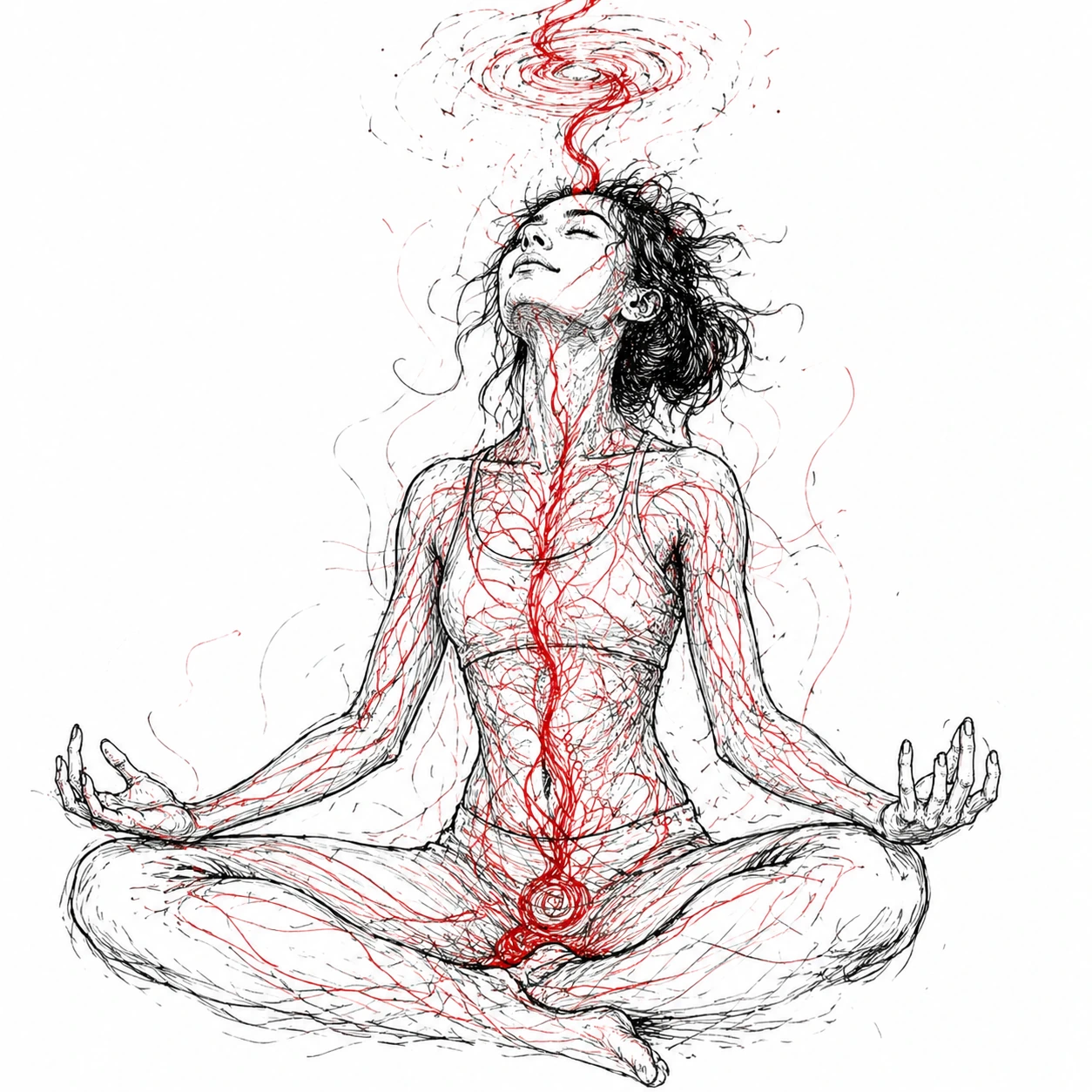
When this balance is disrupted, the system enters a state of dysregulation.
Under chronic stress, energy is directed toward defense rather than growth and repair. Repeated activation of the HPA axis and the sympathetic system reduces resources available for development, affects cellular nutrition, and limits optimal prefrontal cortex function. Blood flow and neural activity shift toward survival-related regions, which can impact mental clarity and integration.
The sympathetic nervous system
The sympathetic nervous system is the body’s activation system. It drives the fight or flight response, linked to the adrenal glands, amygdala, and HPA axis, and releases energy to deal with external demands.
Structurally, it runs along the spine through interconnected ganglia and nerve networks that distribute signals to organs like the heart, lungs, and digestive system. Its signaling is widespread and less localized than the parasympathetic system.
Functionally, it uses acetylcholine in preganglionic neurons and norepinephrine in postganglionic neurons. This leads to increased heart rate, higher blood pressure, dilated pupils and airways, glucose release for energy, and reduced activity in digestion, elimination, and immunity.
Overall, it prepares the body for action by redirecting resources toward muscles and the brain, while temporarily suppressing non-essential functions like digestion and repair.
The parasympathetic nervous system
The parasympathetic nervous system is the body’s recovery system. It supports relaxation, sleep, growth, and repair, conserving energy after periods of activation. It works mainly through the vagus nerve, which connects the brain to the heart, lungs, and digestive organs. Its structure is more localized, with ganglia close to or within the organs, which makes its effects more targeted and precise.
Functionally, it slows the heart rate, reduces breathing, restores digestion, and supports internal maintenance processes. Overall, it reverses the effects of the sympathetic system and brings the body back to balance.
- Acetylcholine (ACh) is the main neurotransmitter of the parasympathetic system, released by both preganglionic and many postganglionic neurons, while some also use nitric oxide. It acts on muscarinic receptors and directly changes ion flow in cells, triggering physiological responses. Parasympathetic activation slows the heart, lowers blood pressure, constricts pupils, and shifts the body toward recovery. It increases blood flow to internal organs, stimulates digestion and gland activity, supports elimination, and regulates reproductive function.
- Plexuses are networks of nerves and ganglia that regulate internal organs, mainly by controlling blood flow, oxygen, and nutrient distribution. Their locations correspond to key areas in the body often linked with the chakra system. The cervical plexus supports the head, neck, and diaphragm. The cardiac plexus influences the heart and lungs. The solar plexus, the largest, plays a central role in stress activation and energy redirection from digestion to brain and muscles. The pelvic plexus connects to elimination and reproductive functions. In experiential terms, activity in these regions can be felt as sensations such as warmth, tingling, or waves moving through the body.
- The medulla oblongata is part of the brainstem located at the top of the spinal cord. It serves as a key relay point where nerve pathways from the brain cross over and continue down the spine to control opposite sides of the body. Parasympathetic signals that regulate most internal organs originate from this cranial region, while lower organs such as the colon, bladder, and reproductive system are controlled by parasympathetic nerves emerging from the sacral area at the base of the spine.
- The medulla oblongata sits at the top of the spinal cord and acts as a control center where signals from the brain pass into the body. Most parasympathetic signals that regulate organs come from this upper brainstem area, while the lower organs like the colon, bladder, and reproductive system are controlled from the base of the spine.
- The locus coeruleus is a small center in the brainstem that acts as an alarm system. It regulates attention, arousal, fear, and anxiety. It sends signals across much of the brain, helping direct focus and awareness. It is also closely linked with the amygdala and other limbic areas, where short-acting opioid peptides like enkephalins are present and help modulate stress and emotional responses.
- Opiates: during stress or danger, the brain releases natural opioids like endorphins and enkephalins. These reduce pain and help the body keep functioning. They slow down neural activity, preventing overload and calming the system. They also slow breathing, lower blood pressure, relax muscles, and improve blood flow. In simple terms, they protect the body during stress and help it return to balance afterward.
- Long-term potentiation, LTP, is the process that strengthens connections between nerve cells and supports learning and memory. High levels of enkephalins can disrupt this process. They can block normal brain activity, interfere with learning and memory, and overstimulate parts of the brain like the hippocampus. This can lead to temporary memory issues and reduced ability to process new information.
- Myelination helps nerves send signals faster. When the system is overworked, this process can slow down, which may feel like mental fatigue or brain fog. Acetylcholine is part of this system, and too much activity can disturb its balance, leading to exhaustion. From this view, Kundalini awakening can push the nervous system into change. This may involve periods of stress followed by adaptation, with the final result depending on how the system stabilizes.
GLIAL CELLS
Glial cells are support cells in the nervous system. They make up most of the brain’s volume and outnumber neurons, which are the cells that carry electrical signals.
They have several key roles:
- Nourishment: supply neurons with oxygen and nutrients, regulate the chemical environment, and help produce cerebrospinal fluid
- Insulation: form the myelin sheath around nerves, which speeds up signal transmission and keeps signals contained
- Cleanup: remove damaged cells and debris after injury through phagocytosis
- Energy support: work with neurons to process glucose and deliver energy, mainly through astrocytes that convert it into usable fuel
Glial cells also help regulate neurotransmitters like glutamate and support overall brain metabolism. In the peripheral system, Schwann cells perform similar roles, including forming myelin and clearing damaged nerve fibers. The gut has its own network, often called the enteric brain, with millions of neurons and glial cells. It uses many of the same neurotransmitters as the brain and plays a key role in digestion and internal regulation. Kundalini experiences involve increased nervous system activity. Glial cells help regulate this by supporting neurons, providing energy, maintaining balance, and repairing stress or overload. In short, neurons create the activity, glial cells keep the system stable and able to adapt.
GLUTAMATE
Glutamate is the main excitatory neurotransmitter in the brain, responsible for a large part of neural signaling and involved in learning, memory, and development. It activates NMDA receptors, allowing calcium to enter the cell and trigger further signaling processes, including the production of nitric oxide, which supports communication between neurons and strengthens connections. In excess, glutamate can overstimulate the nervous system, leading to hyperexcitability.
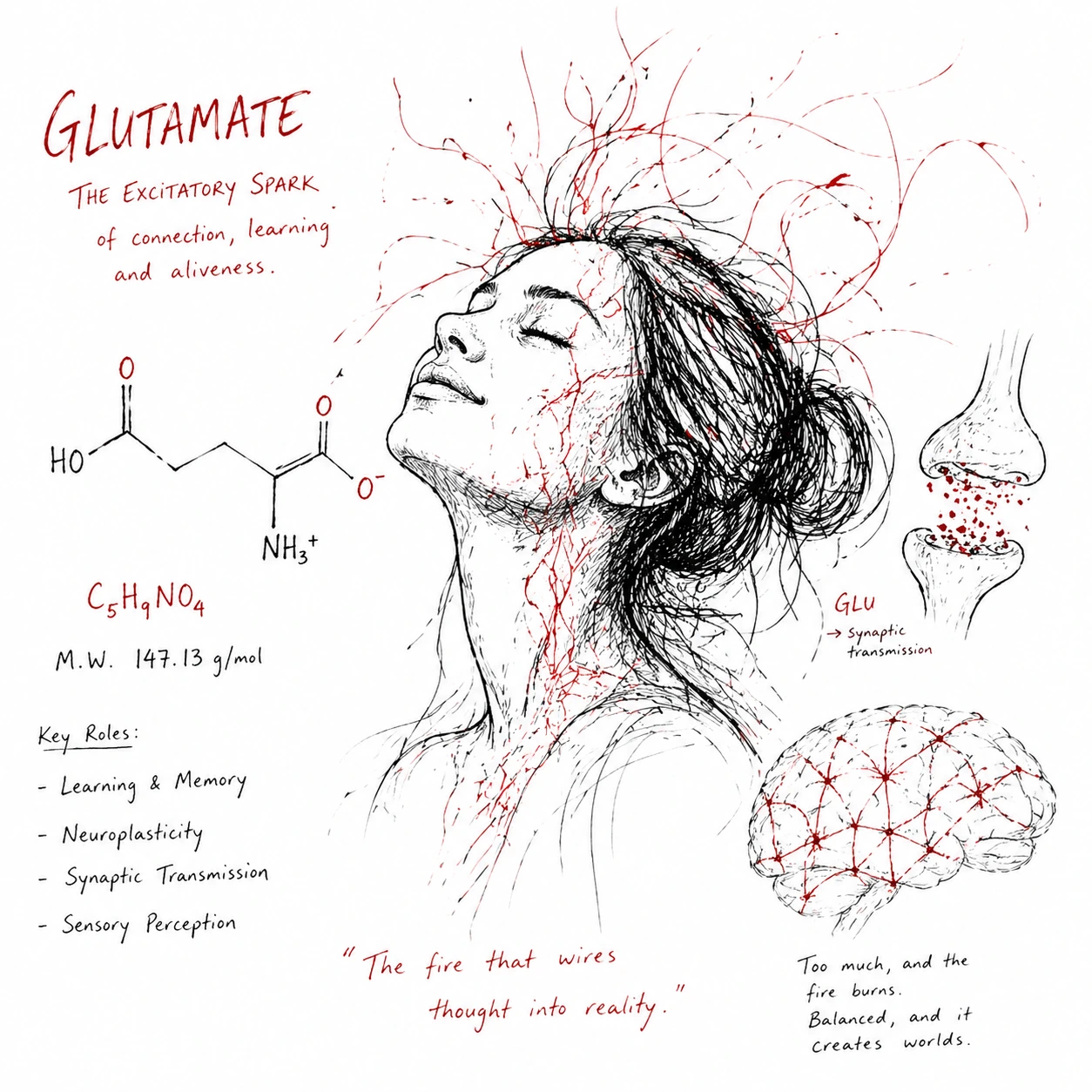
This prolonged activation can make neurons more sensitive and reactive, increasing overall neural activity. Glutamate works in balance with inhibitory neurotransmitters like GABA, which calm the system and prevent overload.
Glutamate drives activation and learning, but when too high, it can push the system into overactivation and instability. Glutamate is a major excitatory neurotransmitter that activates NMDA receptors, allowing Ca2+ to enter neurons and drive signaling. In balanced conditions, this supports brain function and adaptation.
When overstimulated, excess Ca2+ disrupts mitochondrial function, increases reactive oxygen species, and triggers oxidative stress, leading to apoptosis and neuronal damage. Injured neurons release more glutamate, amplifying this cycle.
Nitric oxide, NO, is produced through NMDA activation via Ca2+ and calmodulin. In small amounts it supports signaling, but in excess it increases Ca2+ activity and contributes to neurotoxicity through cGMP pathways. Ca2+ influx also activates CaMKII, which enhances AMPA receptor activity, making neurons more sensitive and increasing excitatory signaling.
Glycation, or crosslinking, is the process where excess sugar binds to proteins and damages their structure. This affects cell membranes, receptors, and overall neural function. In a high-activation state, such as intense Kundalini processes, metabolic demand increases. If glucose regulation is poor, glycation can accelerate. This can impair NMDA receptors, reduce signaling quality, and slow recovery. Alpha-lipoic acid helps by limiting glycation and supporting proper glucose metabolism. It protects receptors and keeps cell membranes functional.
Glycation stiffens and damages the system. Reducing it helps maintain flexibility, signaling, and recovery during high neural activity.
STRESS RESPONSE LOOP
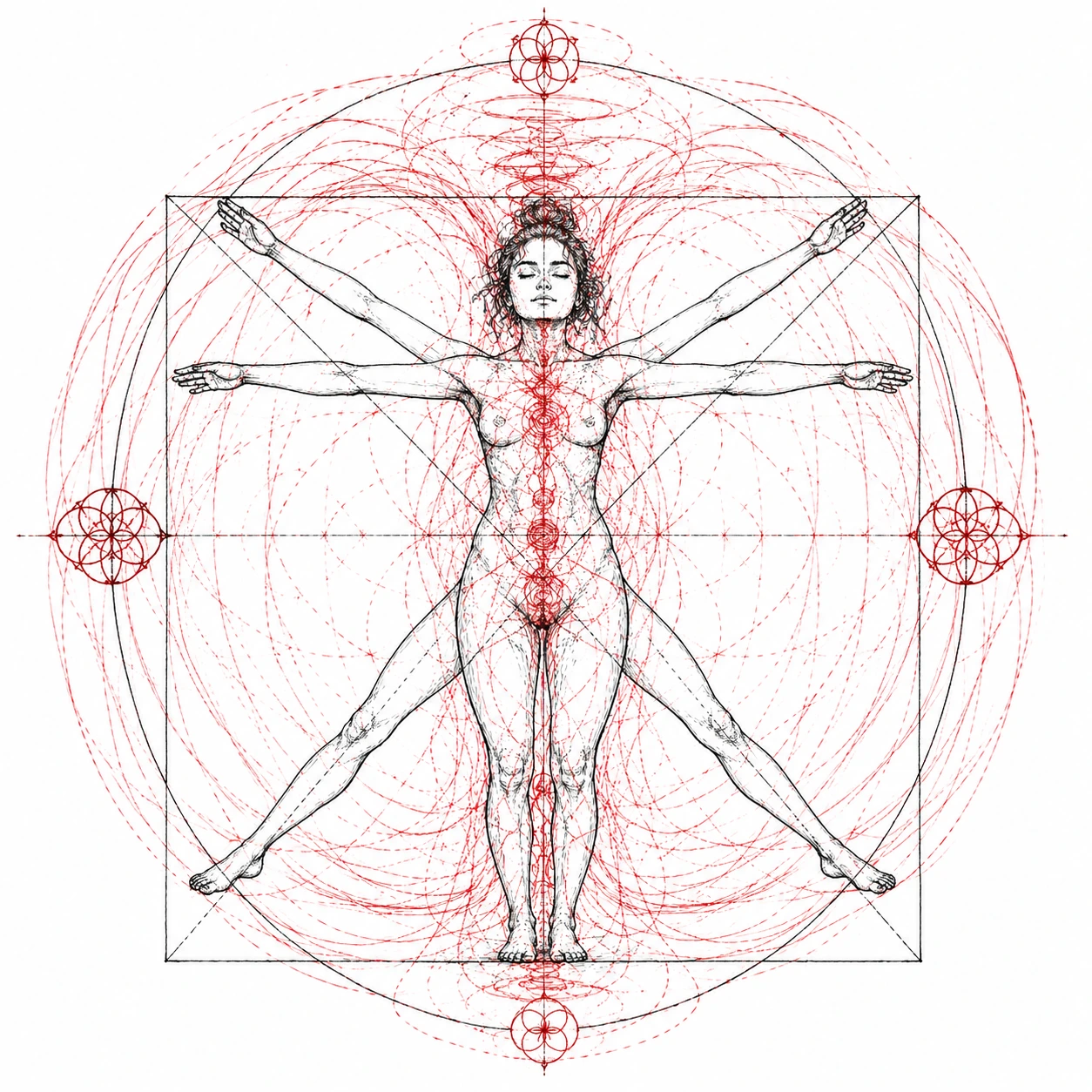
The stress response follows a natural cycle described by Wilhelm Reich in “The Function of the Orgasm”:
tension → charge → discharge → relaxation.
This same pattern appears in the Shake Effect and in Kundalini processes. Hans Selye, in his work on stress physiology, outlined similar stages: adaptation → alarm → exhaustion. In the Shake Effect, this maps clearly:
- Stuck (inertia): aligns with adaptation, where the system holds tension and builds load. Kundalini is described as sleeping/stuck dormant energy at the base of the spine
- Shake (activation): aligns with alarm, where energy rises, movement appears, and the system becomes highly active
- Shift (reorganization): follows discharge and relaxation, where the system settles and reorganizes and the kundalini energy can be contained and integrated
The exhaustion phase appears when activation is prolonged without proper discharge, leading to burnout and depletion. As Bruce Lipton explains in “The Biology of Belief”, prolonged stress shifts energy away from growth and higher brain function toward survival systems. This is why, without discharge, the system loses clarity, capacity, and resilience.
The Shake Effect restores the natural cycle. It allows the system to move from tension to discharge, instead of getting stuck in activation or collapse, bringing it back into a functional rhythm.
NEUROTRANSMITTERS
Neurotransmitters are the chemical messengers of the nervous system. Over 50 have been identified, each carrying specific signals between neurons through a wide range of receptor types. They are broadly grouped into two categories, monoamines and neuropeptides, each shaping how the body regulates mood, energy, and internal balance.
Mono-amines (small-molecules neurotransmitters)
| Serotonine | • derived from tryptophan • supports calm, sleep, and emotional stability • increases pain tolerance and reduces aggression and compulsive patterns |
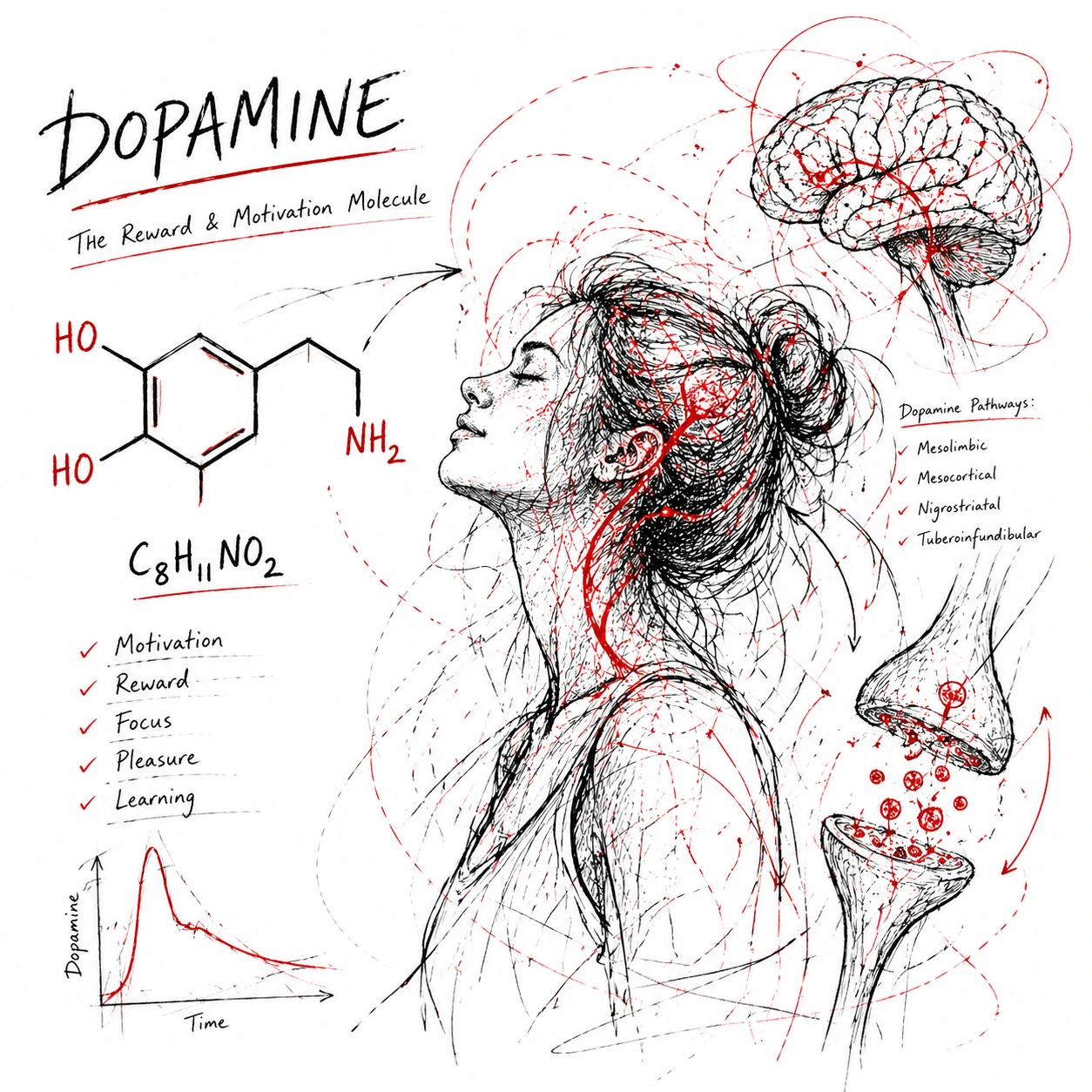
| Dopamine | • derived from phenylalanine and tyrosine • drives motivation, alertness, and reward • linked to pleasure, focus, and sexual energy |
| Norepinephrine | • produced from dopamine • regulates attention, arousal, and wakefulness • supports alertness and reduces compulsive tendencies |
| GABA | • derived from glutamic acid • main inhibitory neurotransmitter • reduces anxiety, lowers heart rate and blood pressure |
| Other key transmitters | • Glutamate, Aspartate: excitatory signals that drive neural activation • Glycine: inhibitory support, mainly in spinal cord • ATP and Nitric Oxide: involved in rapid signaling and energy processes • Histamine and Prostaglandins: linked to activation and inflammatory responses |
Neuropetides
Neuropeptides are signaling molecules made from amino acids and released at synapses. They act on opioid receptors and regulate pain, pleasure, emotional balance, and internal states.
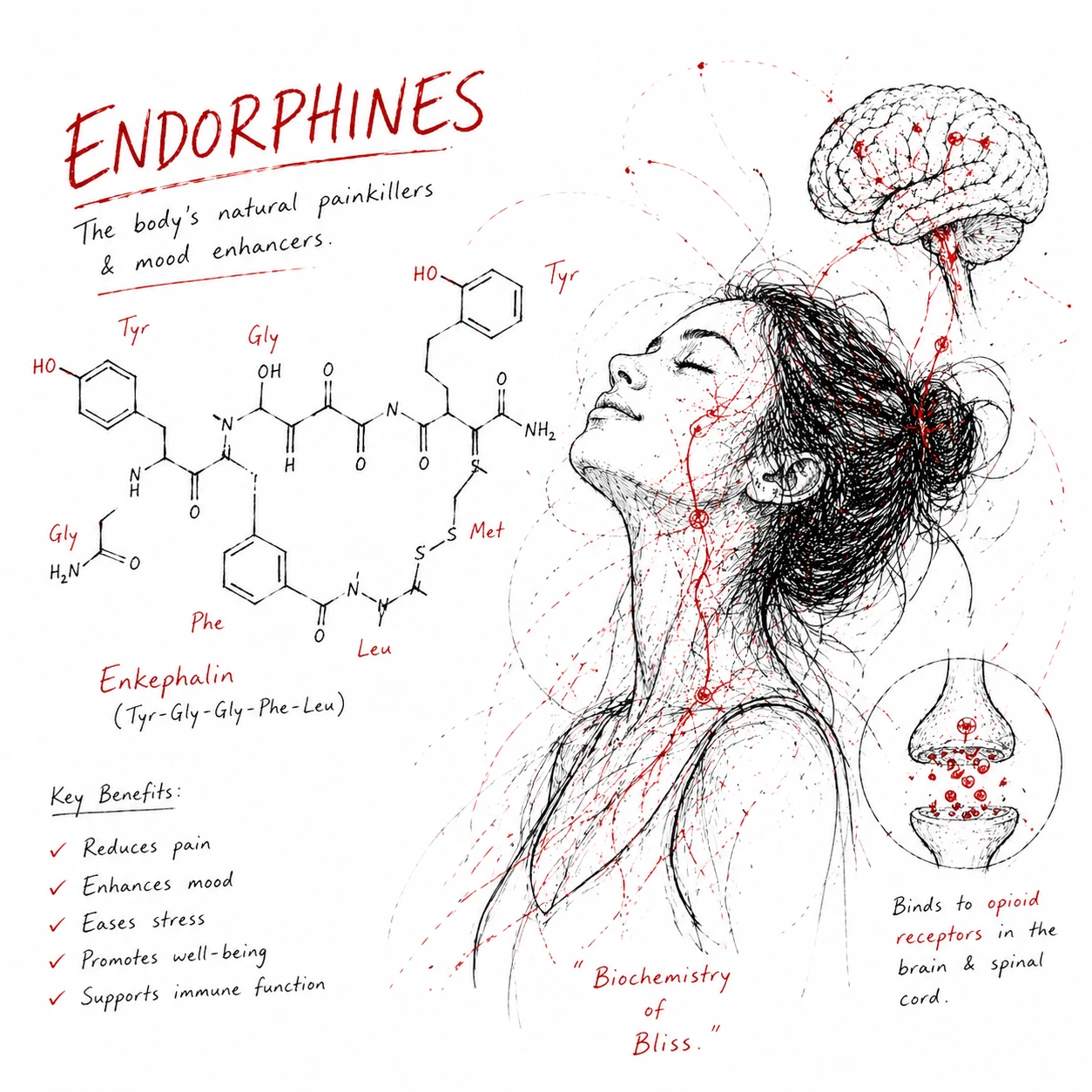
- Endorphins
• reduce pain and create states of well-being
• support stress buffering and recovery - Enkephalins
• modulate pain and stress responses
• help regulate neural activity under pressure - Dynorphins
• involved in sensory processing and stress regulation
• act strongly on the nervous system during intense states - Substance P
• associated with pain signaling
• involved in inflammatory and stress responses
In high activation states, excessive use of excitatory neurotransmitters can deplete inhibitory systems. This imbalance can lead to overstimulation during peak phases and fatigue during recovery, reflecting shifts across different neural and receptor systems.
Nerve Transmission
Nerve transmission is based on electrical potential (voltage) created by the separation of charges across the cell membrane. Inside the neuron is negative, outside is positive, mainly because of ion distribution: Na⁺ (sodium) is higher outside, K⁺ (potassium) is higher inside. This difference creates potential energy, which becomes electrical current when ions move across the membrane
Electrochemical Gradient
The cell membrane acts as an insulator, keeping these charges separated. At the same time, it contains channels that allow ions to move. When ions flow across the membrane, they generate an electrical current. This movement is driven by electrochemical gradients, meaning ions move both toward opposite charges and from areas of high concentration to low concentration.
- Electrical gradient → ions move toward opposite charge
- Concentration gradient → ions move from high to low concentration
Together, they form the electrochemical gradient, the main force behind nerve signaling.
When a signal reaches the end of a neuron, it triggers synaptic transmission. First, the incoming electrical signal opens sodium and calcium channels. Calcium enters the cell and causes vesicles to release neurotransmitters into the synaptic space. These chemicals then travel across the gap and bind to receptors on the next neuron.
The membrane acts as:
- an insulator → keeps charges separated
- a gate system → controls ion flow through channels
There are two main Ion Channels.
Leakage channels (passive) | Gated channels (active) |
| – always open – no energy required – mainly allow K⁺ movement | – require energy (ATP) – open in response to: – voltage changes – chemical signals (neurotransmitters) – mechanical pressure |
Synaptic Transmission: Action potential arrives at the presynaptic neuron
- Na⁺ and Ca²⁺ channels open
- Ca²⁺ influx triggers vesicle release
- Neurotransmitters released into synaptic cleft
- They bind to receptors on the next neuron
Excitation vs Inhibition
Neurotransmitters can have two opposite effects. Excitatory ones make the next neuron more positive, bringing it closer to firing a signal. Inhibitory ones make it more negative, reducing the chance of activation. The balance between these two determines whether a signal continues or stops.
With repeated activation, synapses become more efficient. This process, known as sensitization or potentiation, makes neurons more responsive over time. NMDA receptors play an important role here by increasing calcium entry, which strengthens the connection between neurons and supports learning and adaptation.
Excitatory signals:
– depolarize the neuron (less negative)
– bring it closer to firing
Inhibitory signals
– hyperpolarize the neuron (more negative)
– reduce chance of firing
Synaptic Potentiation (Learning)
- repeated activation → increased sensitivity
- stronger signal over time
- NMDA receptors increase Ca²⁺ entry
- leads to stronger neural connections
Until next time… Shakers, Keep The Vibe Alive!
That Shakin' Guy