Let's Shake Hands: Free Connection Call 

The Cardiac Muscle
Heart is the first organ that starts shaking. That shake is the primary pulse of life. Cardiac muscle forms the walls of the heart and contracts in a highly coordinated way to pump blood through the circulatory system.
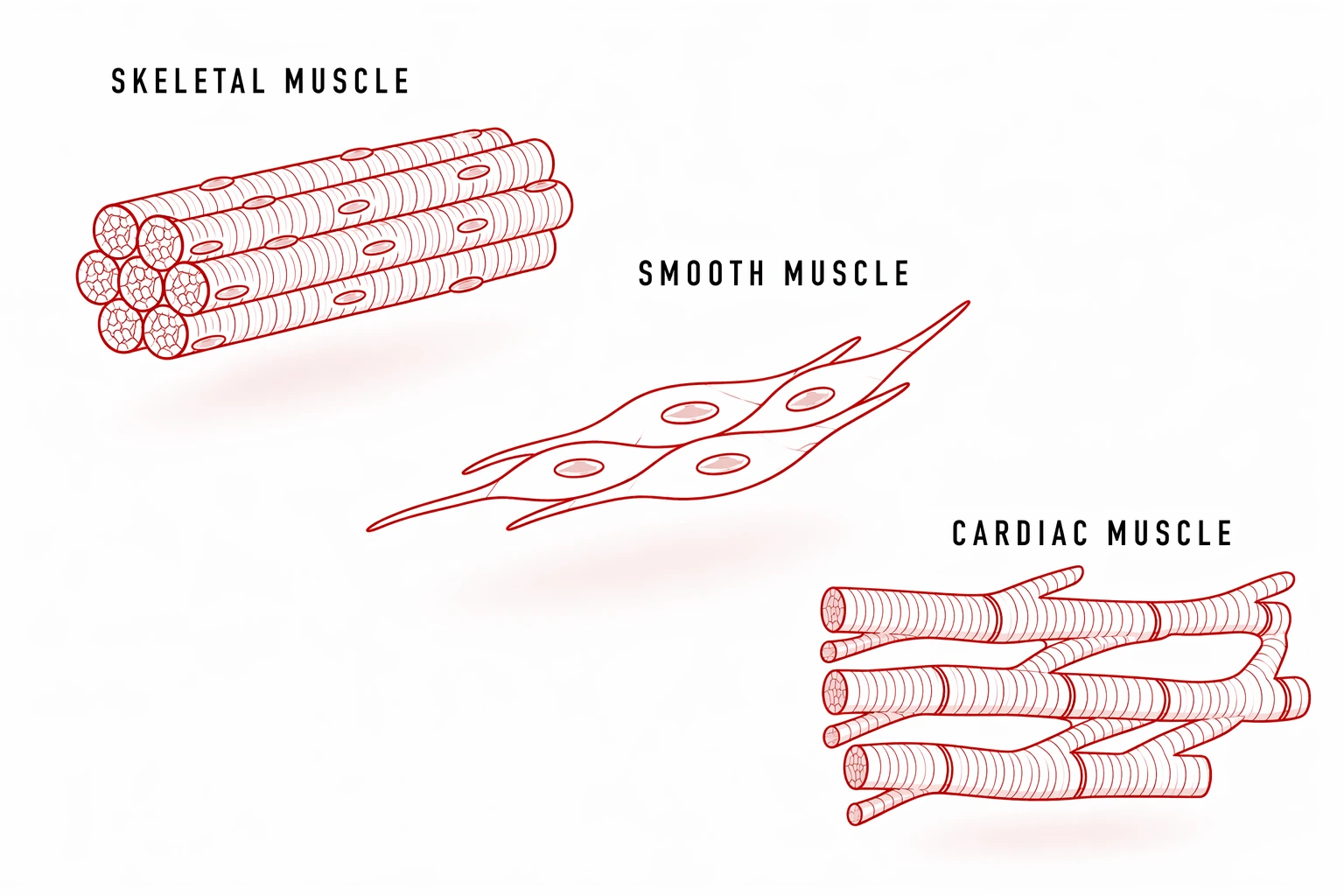
Cardiac muscle cells are striated, similar to skeletal muscle, but their activity is involuntary and regulated automatically. Cardiac muscle cells are rectangular in shape and are connected to each other through structures called intercalated discs. These connections allow the heart to function as a coordinated unit.
Intercalated discs contain two key elements. Desmosomes keep the cells firmly attached so they do not separate during contraction. Gap junctions allow electrical signals to pass directly from one cell to another, so the entire heart contracts in a synchronized rhythm.
Until next time… Shakers, Keep The Vibe Alive!
That Shakin' Guy